SHIPPED
SHIPPED
2025
2025
Improved
monetization-critical cards to increase conversions
monetization-critical cards to boost conversions
Improved
USER-EXPERIENCE Design
Case Study
Web
Role
Product Designer
Team
3 Designers, 3 Developers
Timeline
May – August 2025
Skills
UX Design, Research
Role
Designer
Team
3 Designers
3 Developers
Timeline
May – Aug 2025
Skills
UX Design
Research
WEB App
Modals
B2C
CONTEXT
CONTEXT
Engagement gaps hindered monetization
Engagement gaps hindered monetization
A career development platform’s Group and Event cards were designed to help users discover professional opportunities but usability issues stopped them from doing so. This was a major problem as the product's monetization strategy hinged on charging users to host events or create groups. I aimed to increase the cards’ conversion rates and reduce drop-off rates.
Usability issues in Group and Event cards stopped users from taking action, directly impacting monetization tied to hosting and group creation.
IMPACT
IMPACT
Improved scannability and usability
Improved scannability and usability
The redesign improved the performance of both cards by focusing on clearer flows and more visible actions, which led to measurable gains across several key metrics. Post launch, drop offs decreased, task success rose significantly, and more users completed core actions like joining groups and RSVPing to events.
Clearer flows and more visible actions led to improved task success and more users joining groups and events.
PRODUCT SHOWCASE

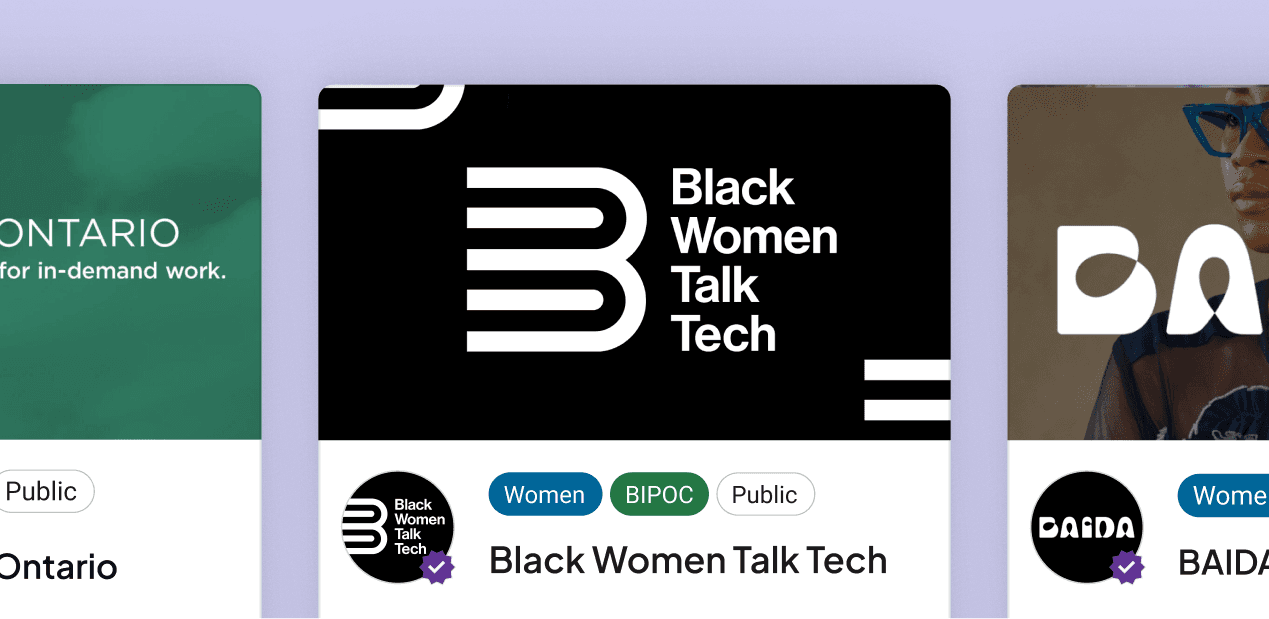
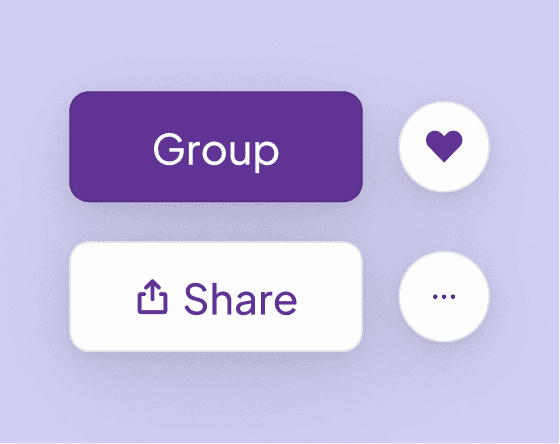
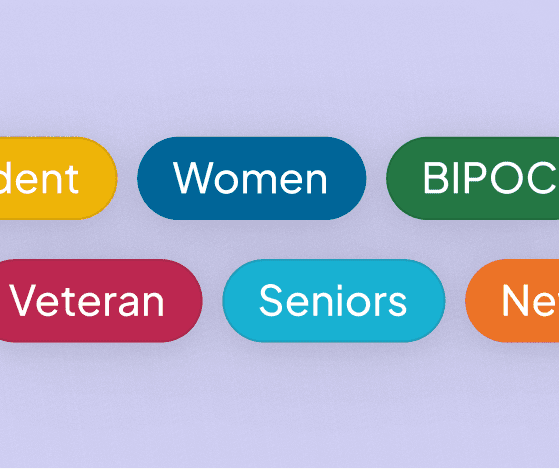
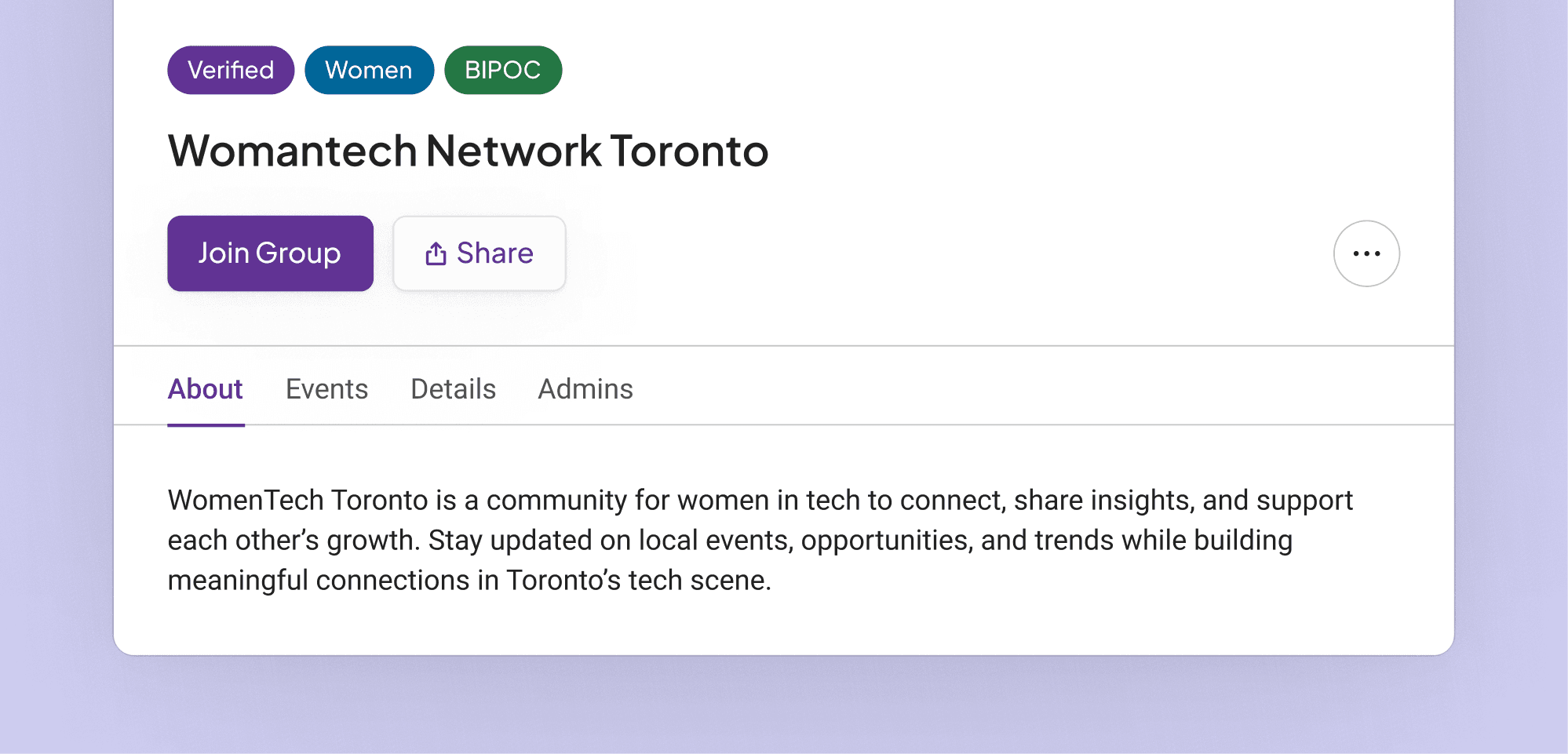
OUTCOMES
in Drop-Off Rate
in Drop-Offs
within first 30 days following product launch vs. previous quarter.
within the 30 days following launch.
in Task Success
Success Rate
comparing 22 users in an A/B test across two key flows.
across platform’s two core flows.
in Conversion Rate
in Conversions
within first 30 days post launch on monetization-linked flows.
on monetization-linked flows.
PRODUCT SHOWCASE
PROBLEM DEFINITION
PROBLEM DEFINITION
Understanding engagement barriers
Understanding engagement barriers
On a hiring platform built around connection and community, the Group and Event cards should have been key engagement drivers yet key KPIs such as conversion rates routinely performing poorly suggested that users weren’t finding value in them.
Group and Event cards were meant to support discovery, but poor usability prevented users from taking action. Key information was hard to find, leading to low engagement.
Hypothesis: if key details and core actions were surfaced and the flow was simplified, more users would complete actions like joining or RSVPing, leading to higher engagement.
RESEARCH QUESTIONS
RESEARCH QUESTIONS
What prevents users from finding key information?
Navigation & Clarity
How do current user flows impact user engagement?
Process & Usability
What would drive use of groups and events cards?
Adoption & Task success
What prevents the discovery process?
Discovery & Clarity
How do user flows impact engagement?
Process & Usability
What would drive use of cards?
Adoption & Success
Hypothesis: if key details and core actions were surfaced and the flow was simplified, more users would complete actions like joining or RSVPing, leading to higher engagement.
USER GROUPS
USER GROUPS
Identifying target users segment
Identifying target users segment
Since a core engagement flow was underperforming, we needed to understand where users were struggling. While we identified three main user segments, we focused on people using the platform to discover networking and employment opportunities, as they were segment most impacted by this experience.
Since engagement was underperforming, we focused on users interested in discovering opportunities who weren’t completing key actions. We offered participants a free membership upgrade.
Opportunity Seekers
Users searching for opportunities across events and groups.
Event Hosts
Users relying on clear visibility, attendance metrics to drive turnout.
Group Managers
Users relying on growing groups through credibility and activity.
Job Seekers
Users searching for events and groups.
Event Hosts
Users seeking to host any career specific- events.
Group Managers
Users running career-focused communities.
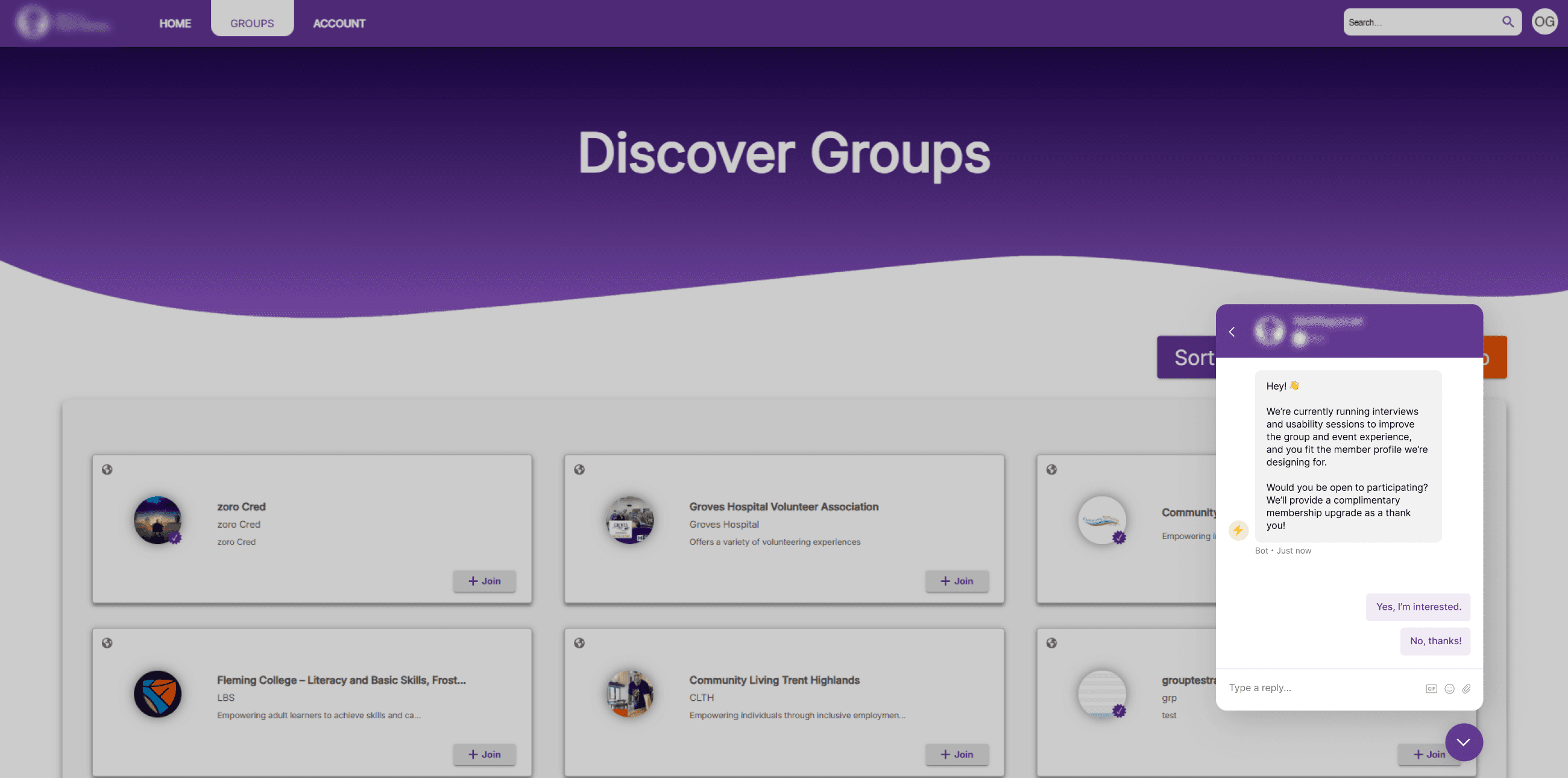
Using the Intercom AI agent already embedded in the product, we filtered for users within our target segment, then triggered prompts only for those who met the criteria removing the need for manual screening. To encourage participation in the study, we offered membership upgrades to participants.
Using the Intercom AI agent already embedded in the product, we filtered for users within our target segment, then triggered prompts only for those who met the criteria.
LEVERAGING AI

LEVERAGING AI
UNDERSTANDING USERS
UNDERSTANDING USERS
Understanding friction through interviews
Understanding friction through interviews
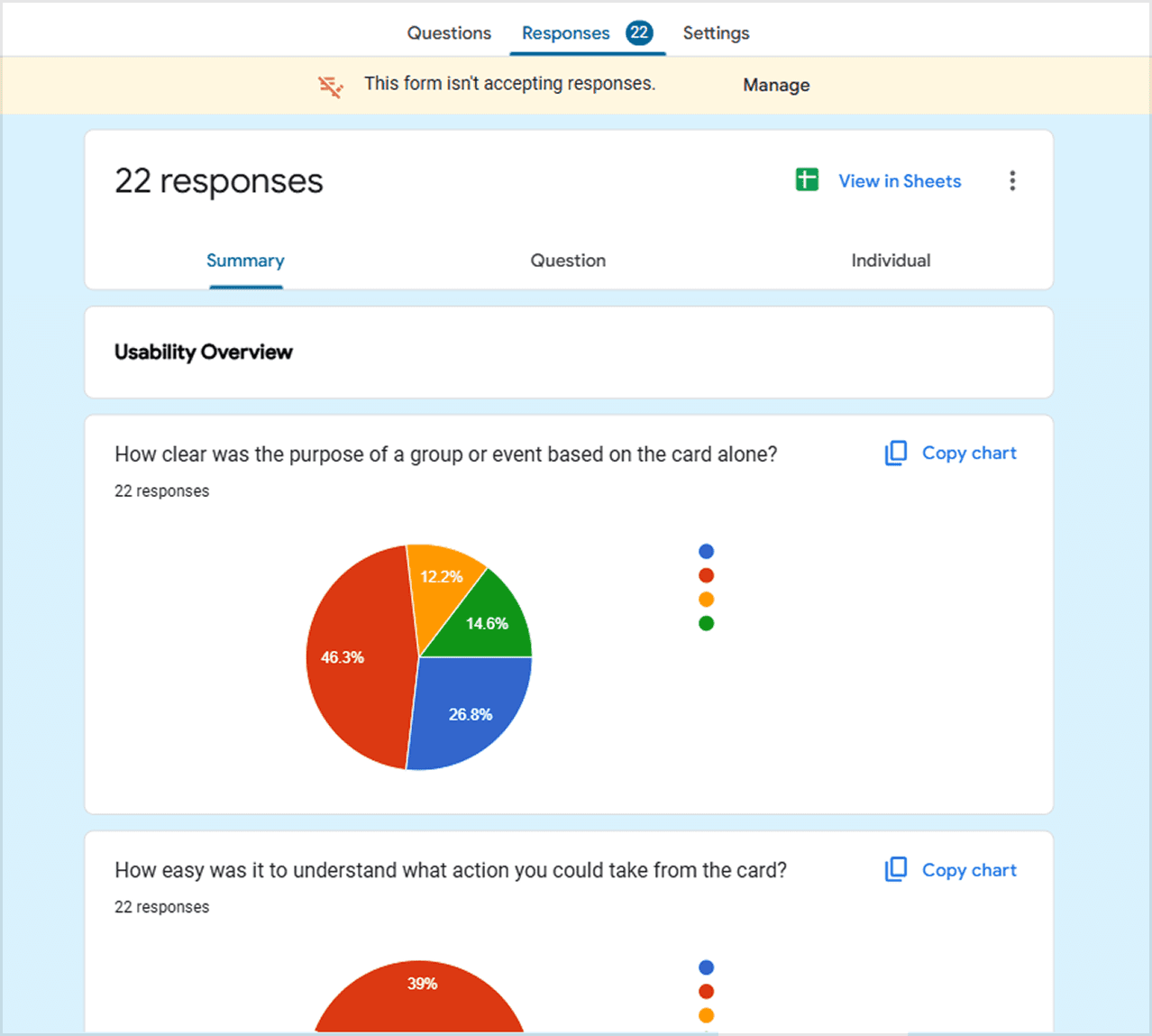
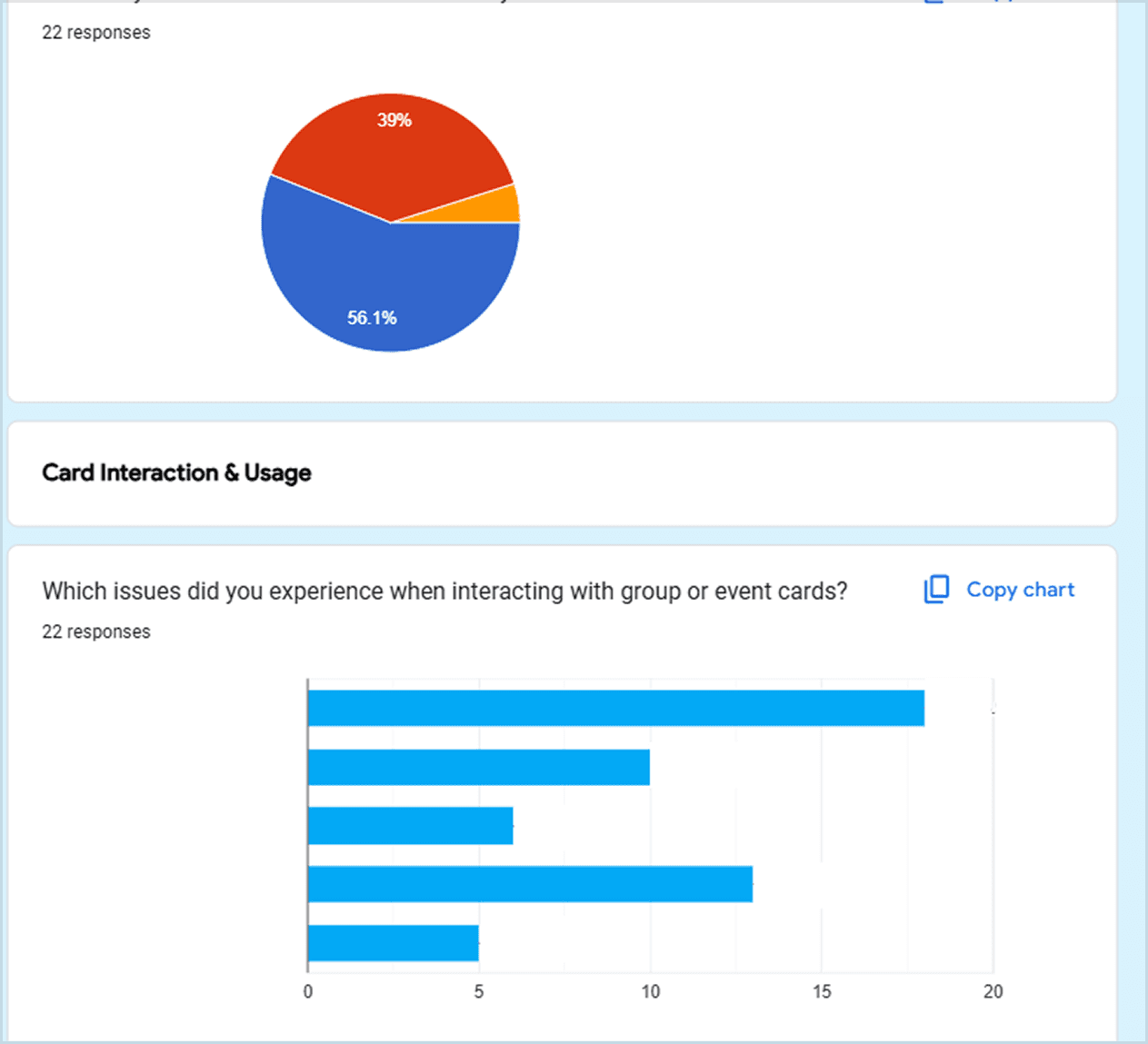
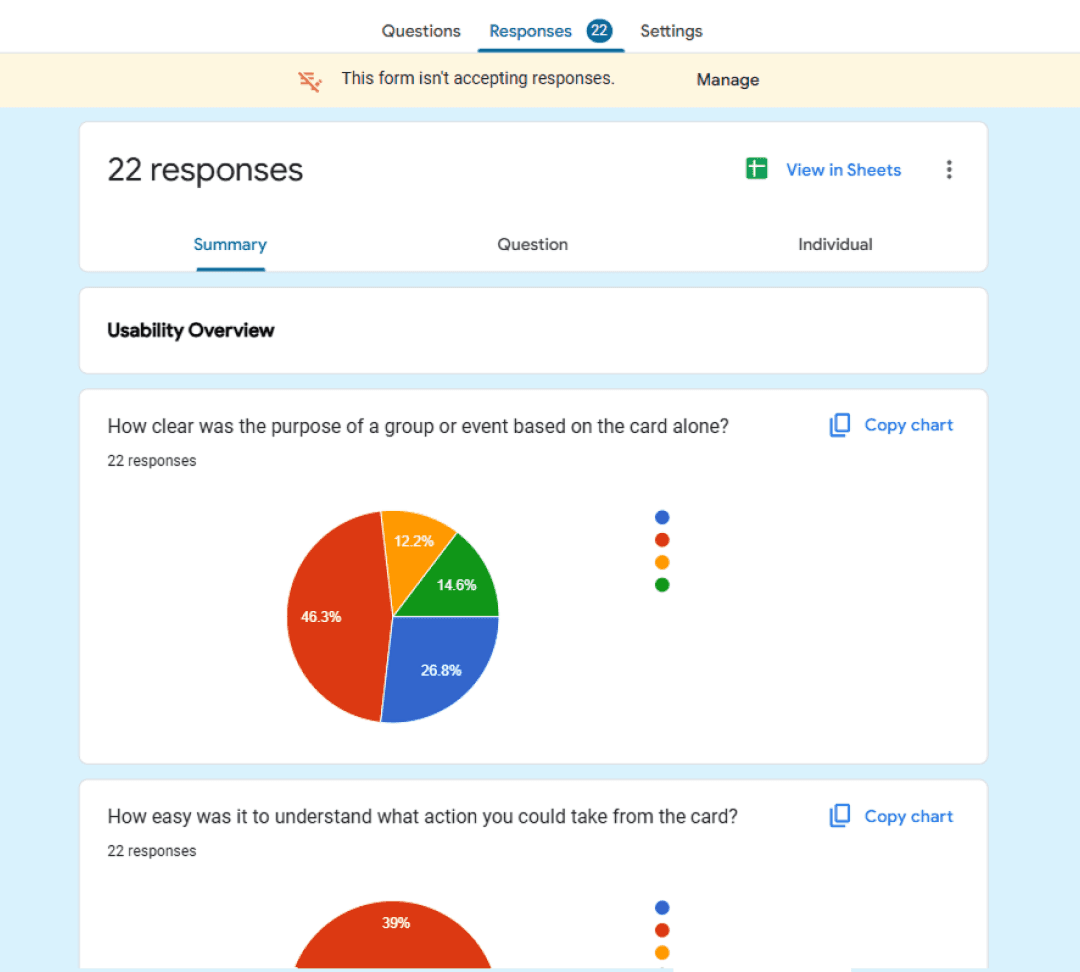
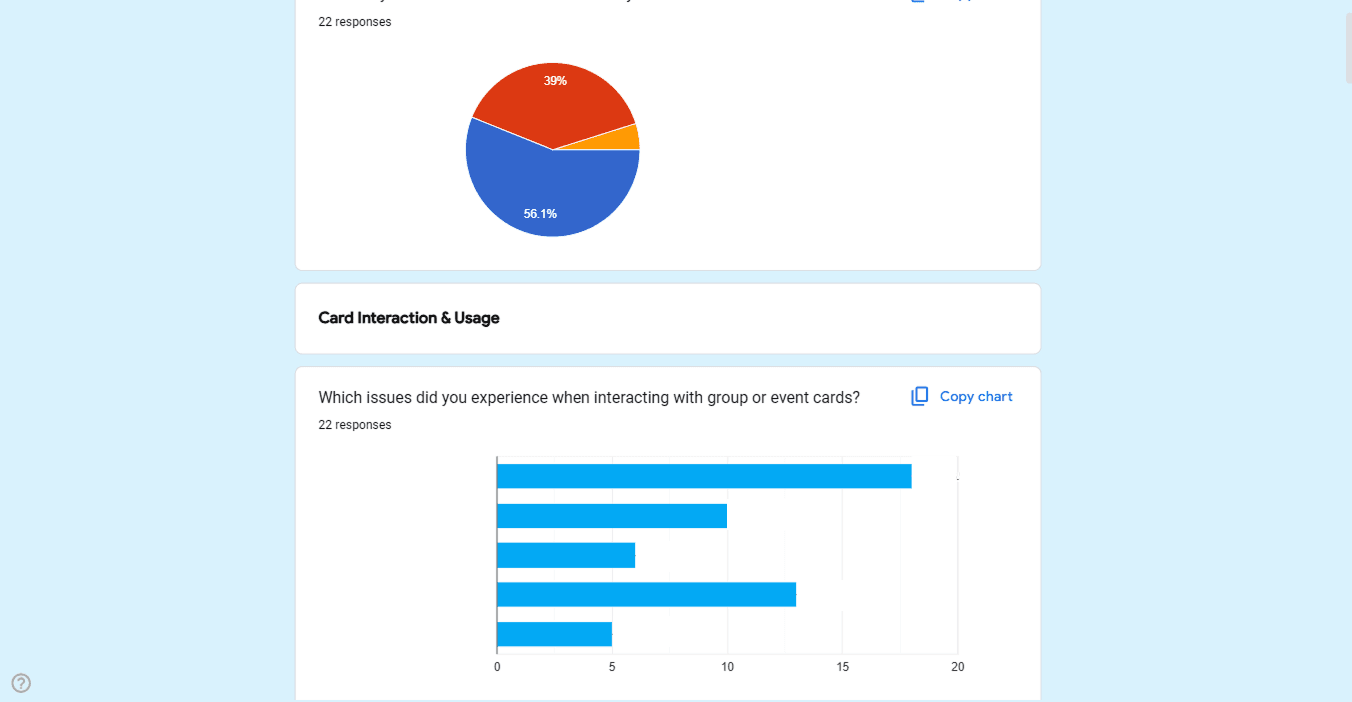
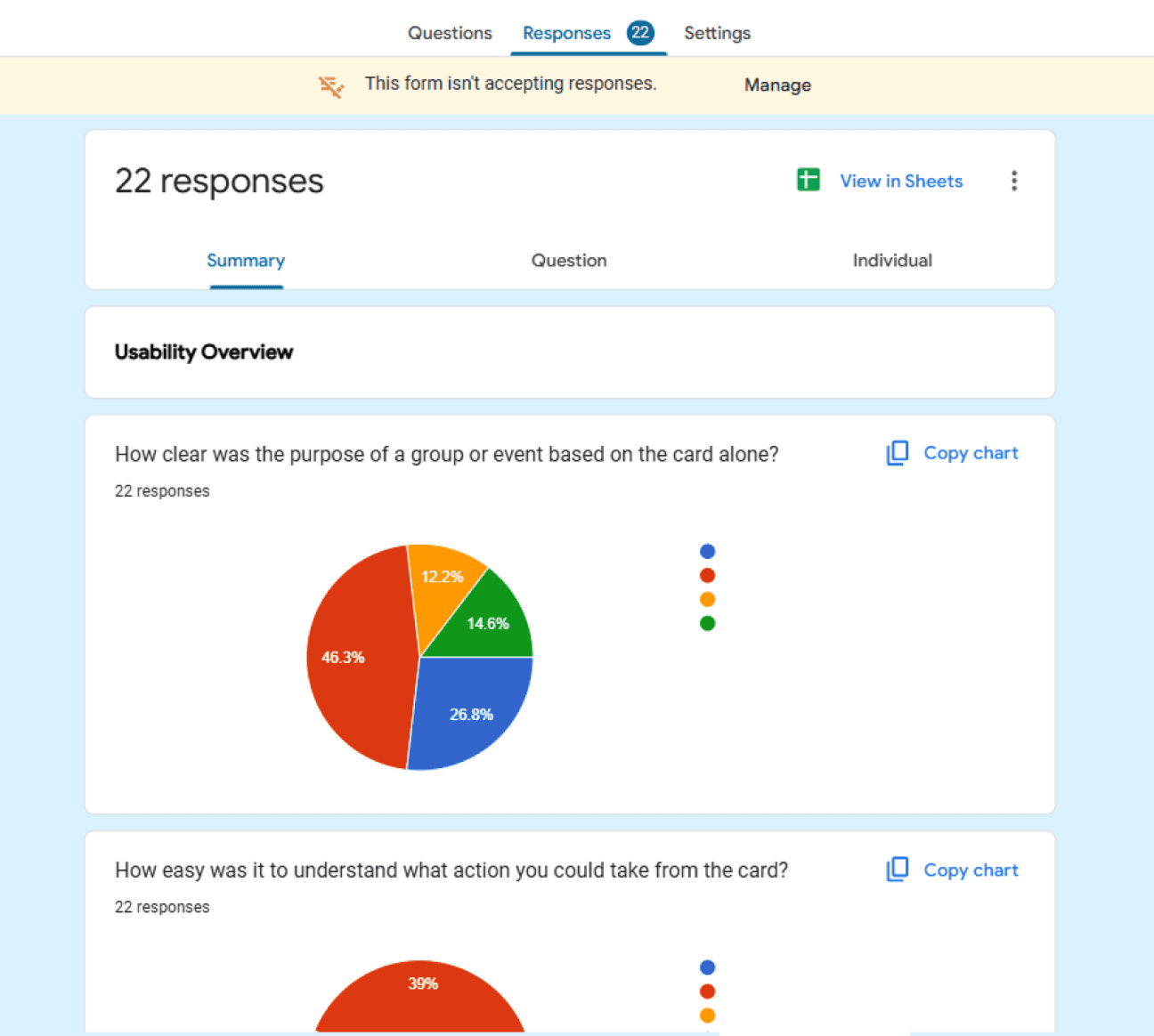
We surveyed 22 users from the opportunity-seeker segment, as they were the primary users engaging with Groups and Events. Focusing on this group allowed us to surface where friction existed and identify the key issues shaping the experience. The results highlighted strong interest in the cards but revealed clear issues with their usability.
We surveyed 22 users from the target segment to understand why engagement was low. Interviews surfaced recurring usability issues and gaps in clarity.
USER SURVEY
INSIGHTS
INSIGHTS
Poor Scannability
Important details did not stand out at all to users.
Hidden Actions
Actions like joining group buried behind extra steps.
Missing Context
Group and Event context often hard to determine for users.
Low Scannability
Key details didn't stand out at all.
Hidden Actions
Key actions buried behind extra steps.
Missing Context
Little context for groups or events.
USER SURVEY
JOURNEY BREAKDOWN
JOURNEY BREAKDOWN
Identifying friction in the user journey
Identifying friction in the user journey
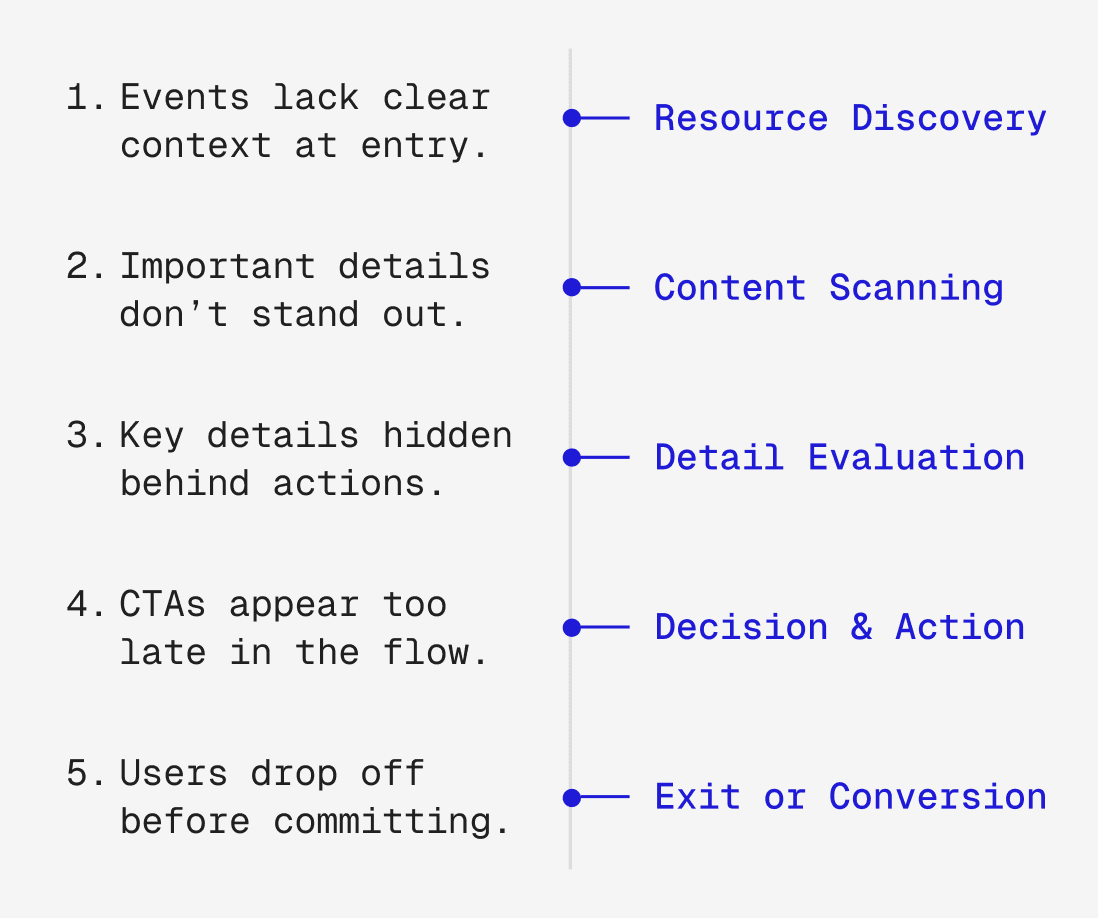
We synthesized interview insights to map friction across the user journey, from discovery to decision. This revealed where users were dropping off or slowing down, allowing us to prioritize the highest-impact problems and set a clear direction for the redesign.
Interview insights were mapped across the journey to pinpoint where users dropped off or slowed down, helping prioritize the highest-impact problems.
Opportunity
Seekers
Opportunity
Seekers
Discovery &
Browsing
Discovery &
Browsing
Scanning & Comparison
Scanning & Comparison
Details & Evaluation
Details & Evaluation
Decision &
Next Steps
Decision &
Next Steps
Exit or Converstion
Exit or Conversion
Target
Segment
Target
Segment
Events lack clear context at entry.
Events lack clear context at entry.
Important details don’t stand out.
Important details don’t stand out.
Key details hidden behind actions.
Details hidden behind actions.
CTAs appear too late in the flow.
CTAs appear too late in the flow.
Users drop off before committing.
Drops off before conversion.
HEURISTIC EVALUATION
HEURISTIC EVALUATION
Focusing on the most impactful issues
Focusing on the most impactful issues
We jointly conducted a heuristic evaluation of the existing cards to assess usability issues across the experiences. This helped align the team on a clear direction and identify where changes would have the greatest impact on improving the overall experience for both cards.
We evaluated Group and Event cards to identify usability issues limiting engagement. This helped prioritize changes with the greatest impact across both experiences.
HMW: How might we help active platform users decide within a few seconds whether a group or event is relevant to their goals without creating any additional cognitive overload?
HMW: How might we help active platform users decide within a few seconds whether a group or event is relevant to their goals without creating any additional cognitive overload?
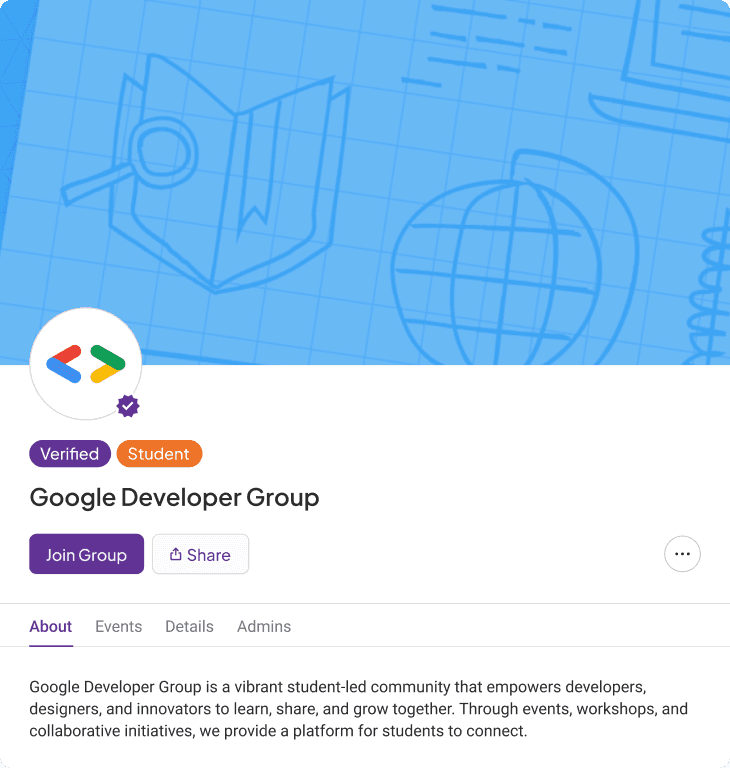
LEGACY GROUP-CARD
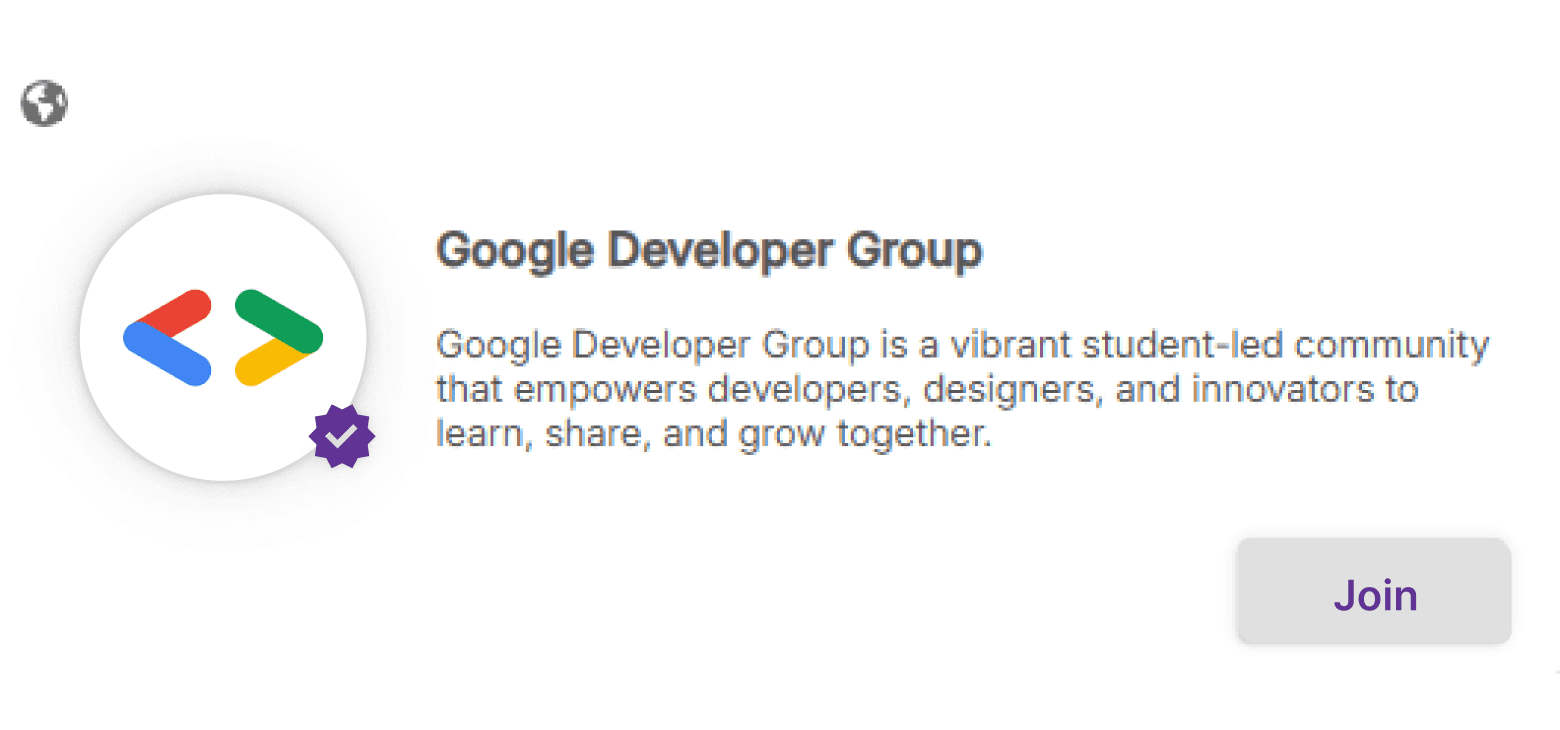
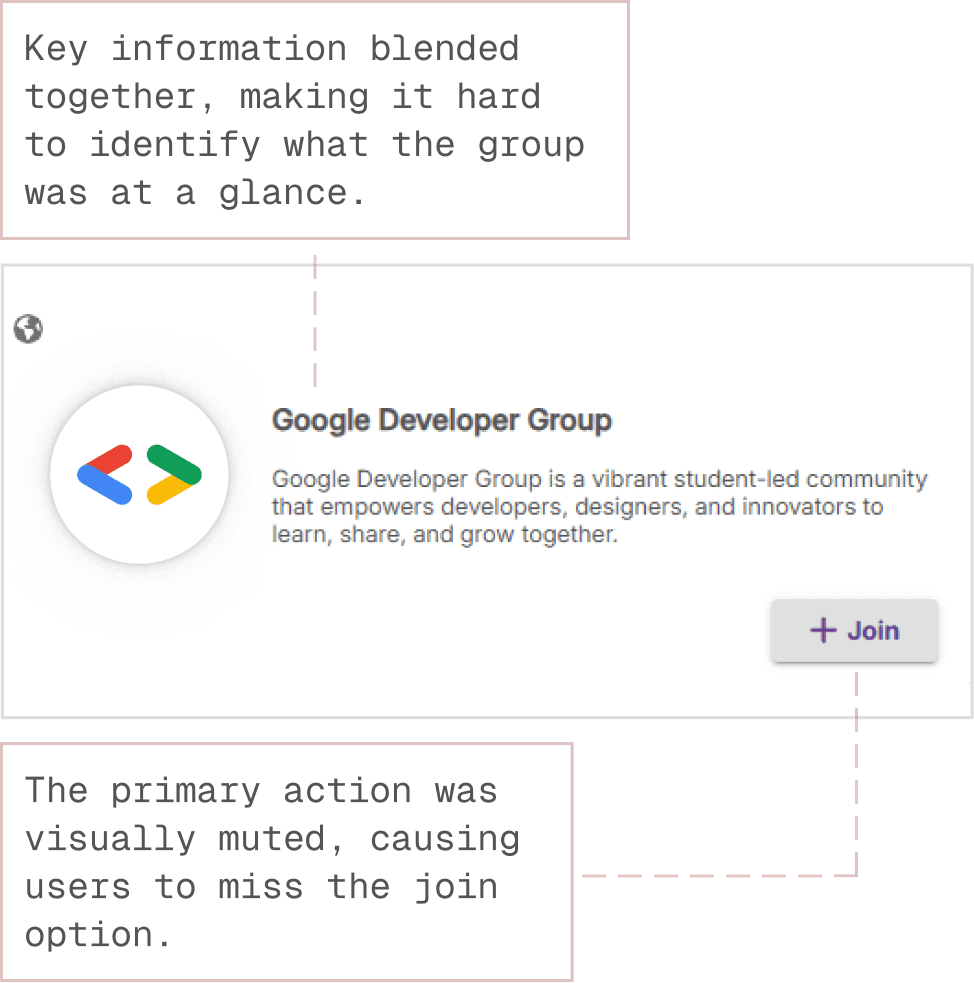
Key information blended together, making it hard to identify what the group was at a glance.
The primary action was visually muted, causing users to miss the join option.
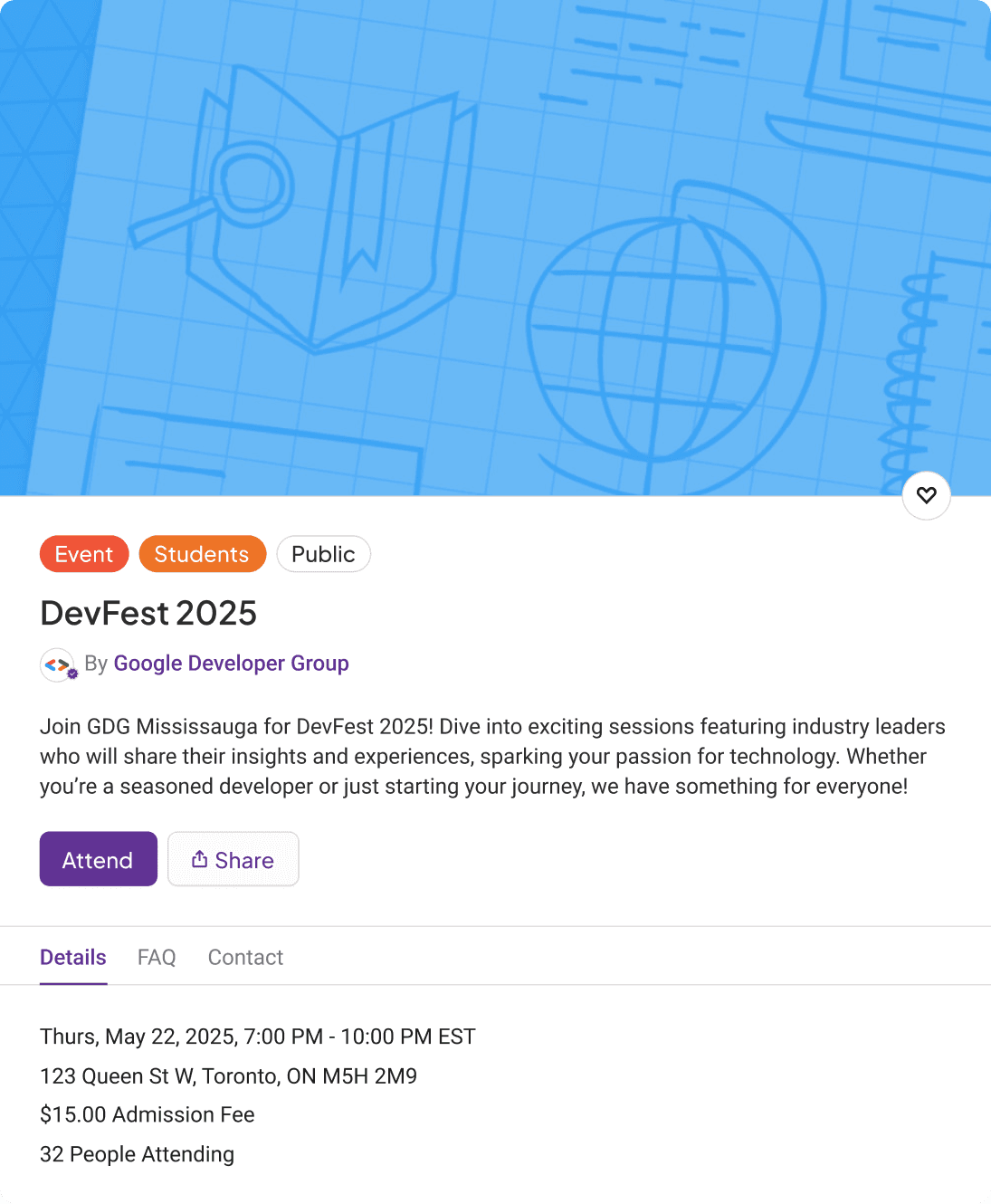
LEGACY EVENT-CARD
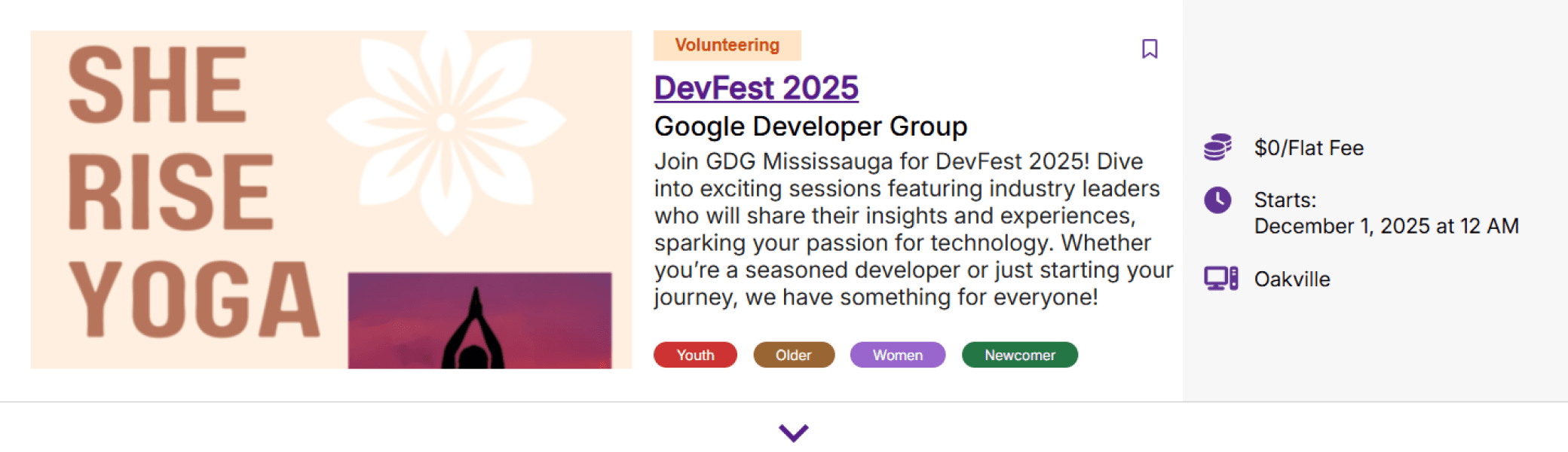
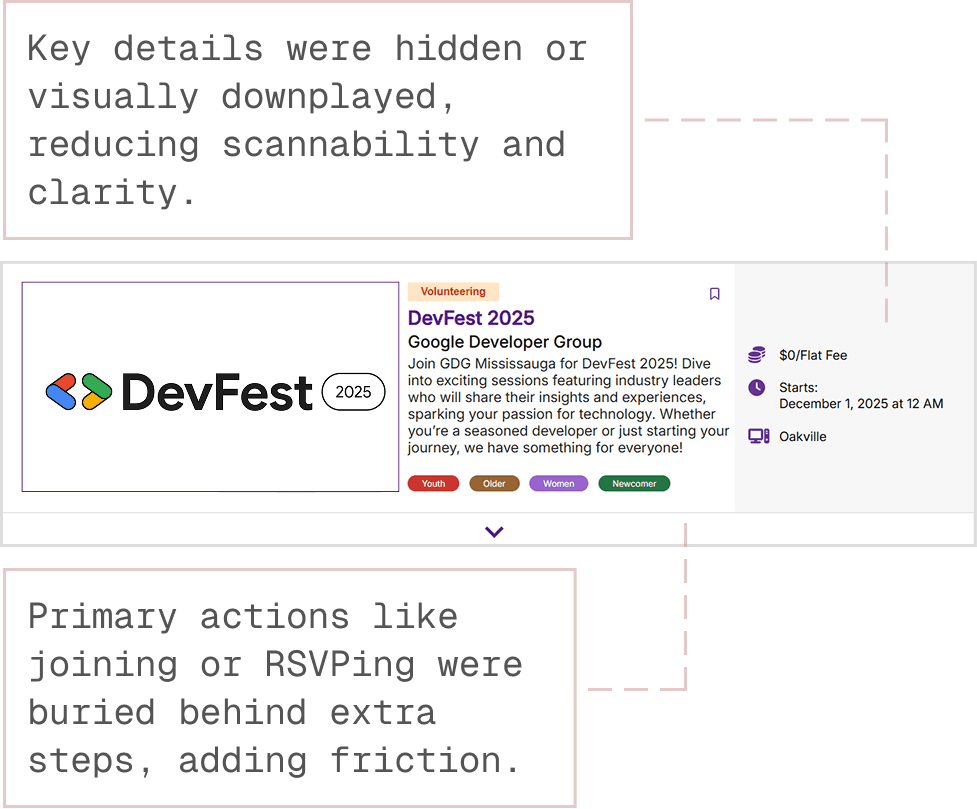
Primary actions like joining or RSVPing were buried behind extra steps, adding friction.
Key details were hidden or visually downplayed, reducing scannability and clarity.
LEGACY GROUP-CARD
Key information blended together, making it hard to identify what the group was at a glance.
The primary action was visually muted, causing users to miss the join option.
LEGACY EVENT-CARD
Primary actions like joining or RSVPing were buried behind extra steps, adding friction.
Key details were hidden or visually downplayed, reducing scannability and clarity.
IDEATION
IDEATION
Collaboratively exploring solution directions
Collaboratively exploring solution directions
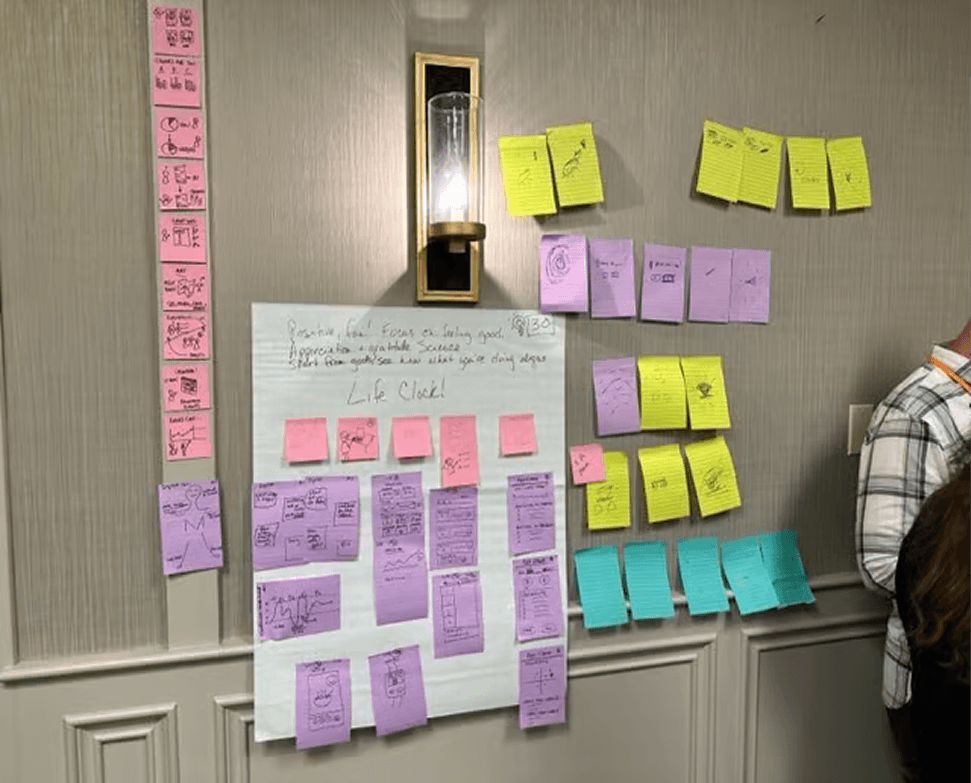
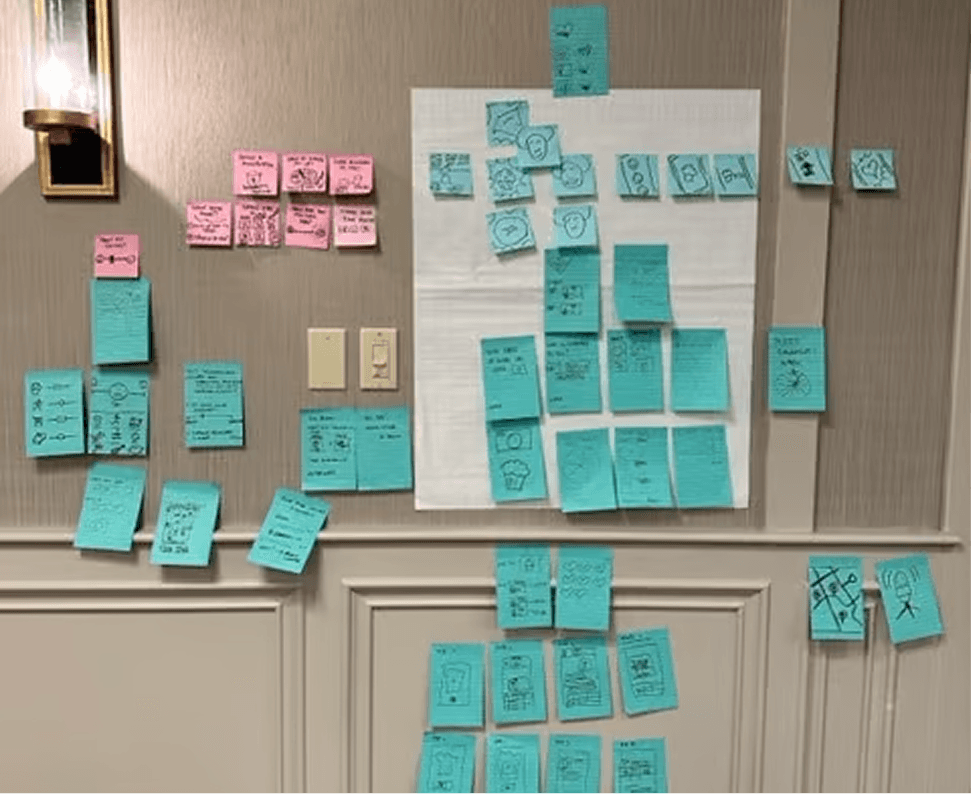
I led a 90 minute cross functional workshop with QA, two engineers, and a PM. We mapped the current join and RSVP journeys, and did a timed Crazy 8s sketch round to generate options. Engineers set technical constraints and QA defined failure cases to keep concepts feasible
I led a cross-functional workshop with Design, PM, and Engineering to map join and RSVP flows, identify constraints, and align on feasible directions.
WORKSHOPPING SESSION
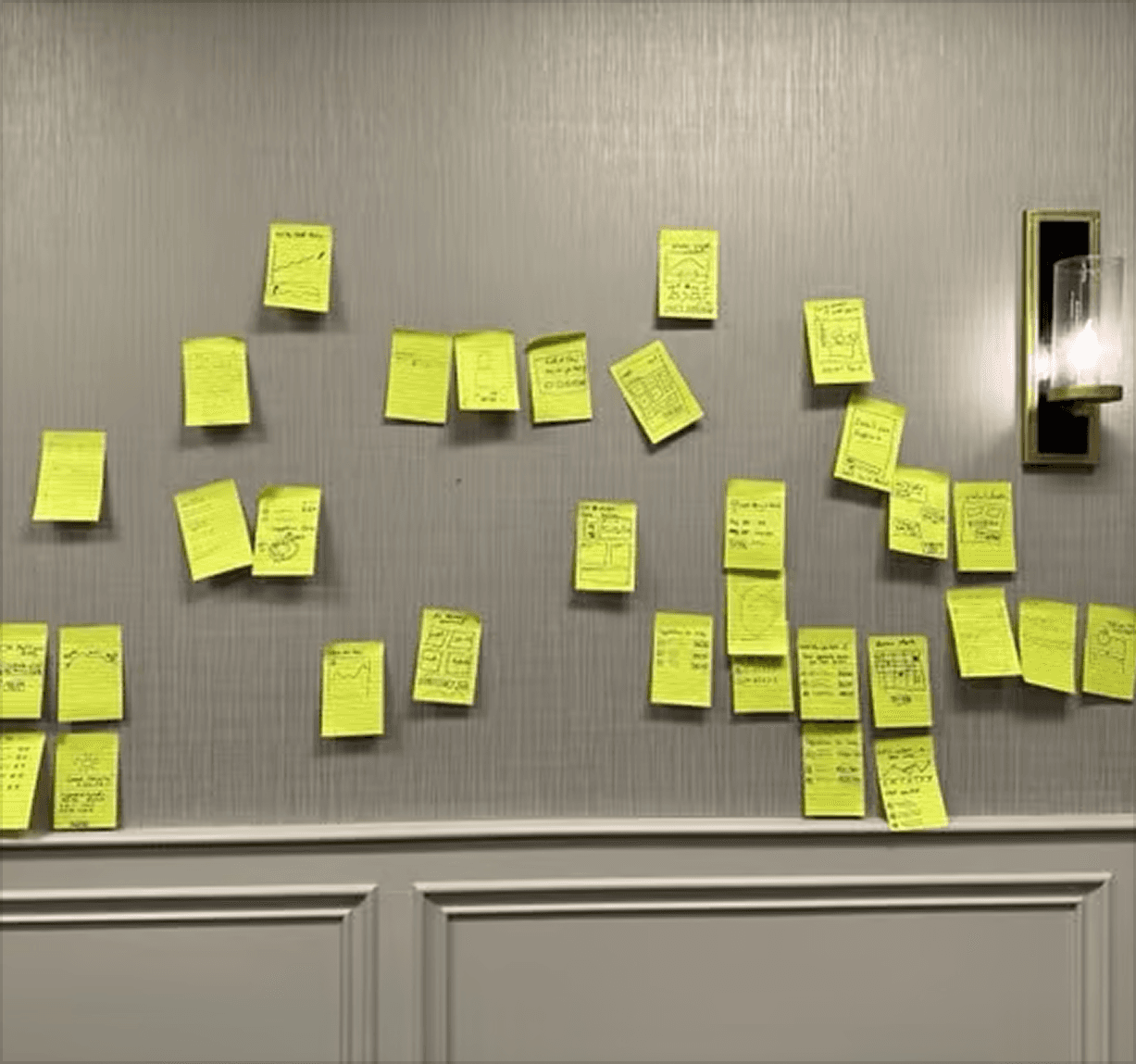
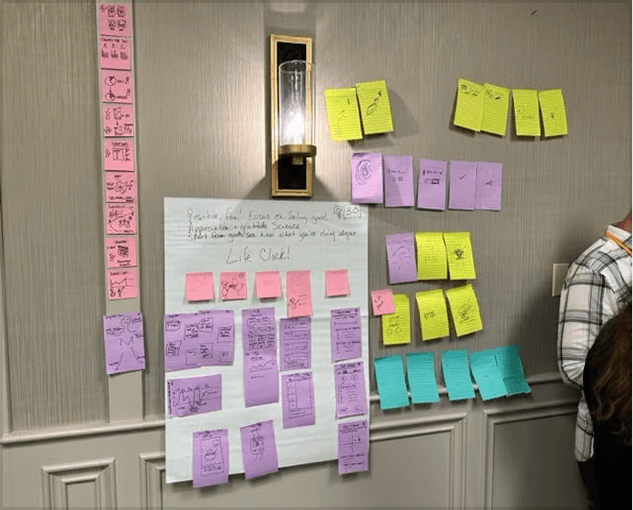
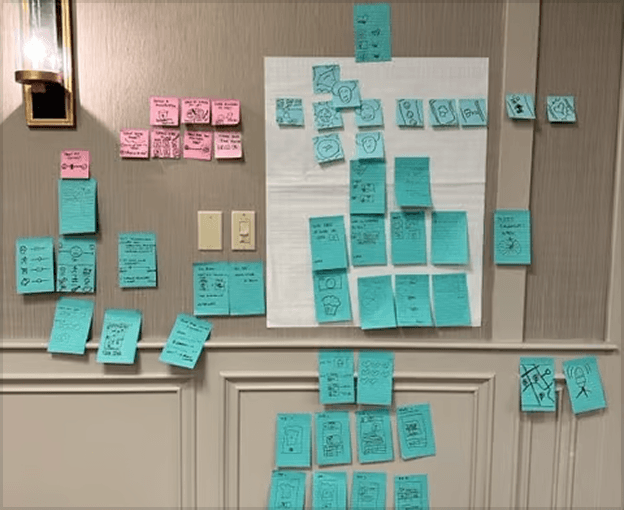
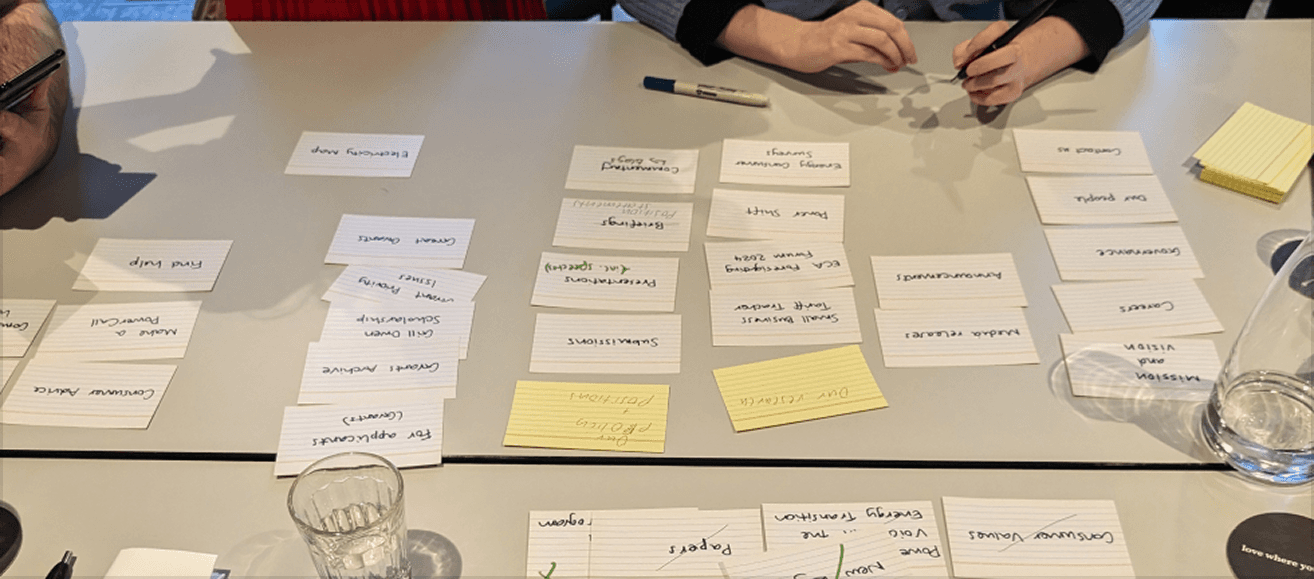
We clustered sketches, used an impact versus effort matrix, and dot voted to set priorities. The plan focused on surfacing key details above the fold, creating a one step join and RSVP path, and standardizing headers and info hierarchy across both cards to maintain consistency.
We clustered sketches, used an impact-vs-effort matrix, and prioritized ideas that surfaced key details and actions while maintaining consistency across cards.
Design Criteria: we set three principles to guide the workshop, aligning our discussion around constraints and ensuring ideas translated into realistic, effective improvements.
GUIDING PRINCIPLES
GUIDING PRINCIPLES
Surface value
Surface key details in events and groups. Users scan fast and want what matters to stand out.
Reduce Friction
Use one structure and visual language across content. Users expect clarity at a glance.
Enable action
Make CTAs like join and expand easy to spot. Users act quickly when actions feel effortless.
Surface value
Surface the key details in events and groups.
Reduce Friction
One structure and visual language across content.
Enable action
Make CTAs like join and expand easy to spot.
WORKSHOPPING SESSION
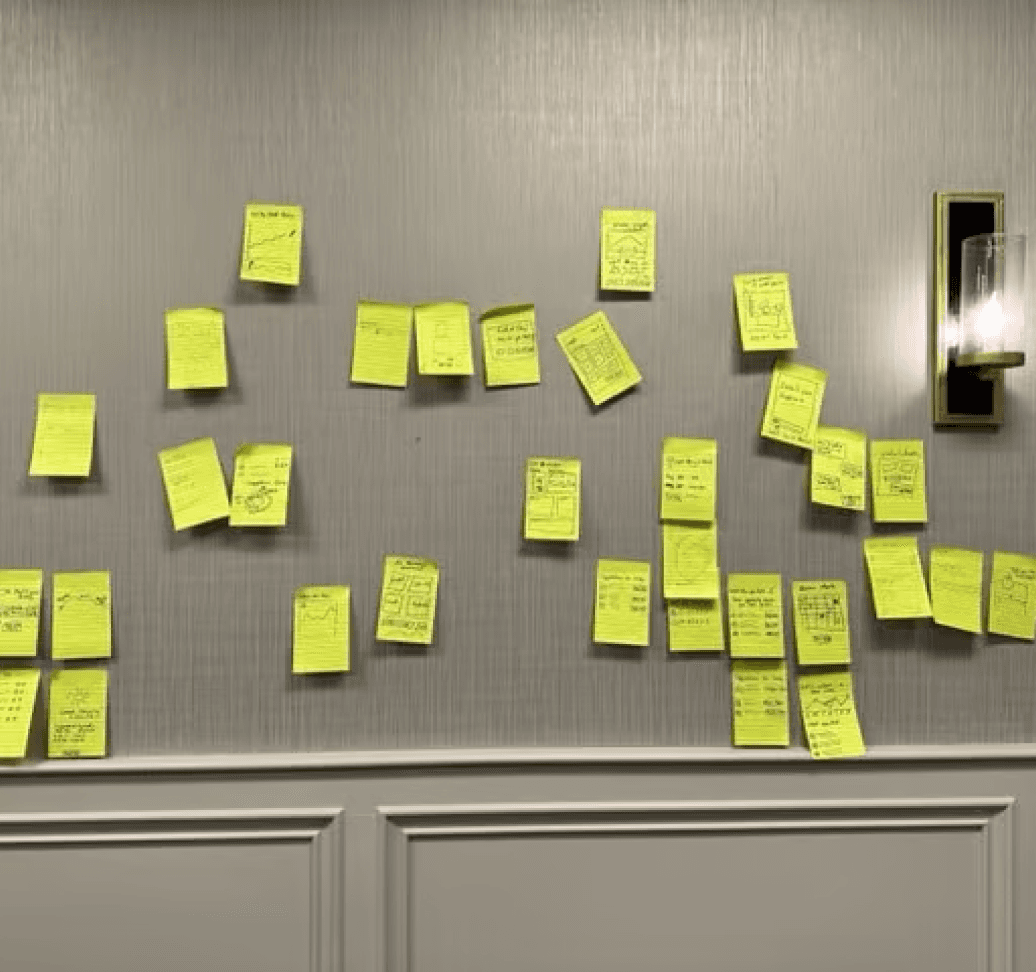
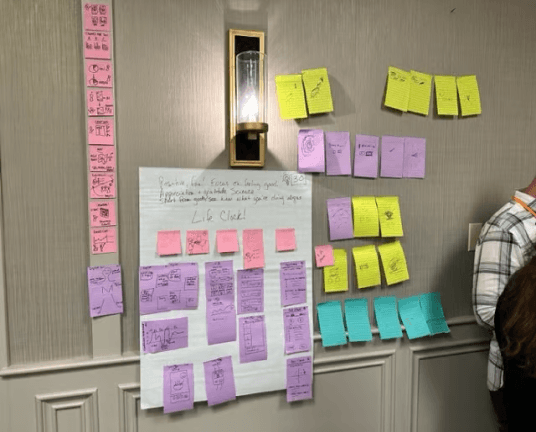
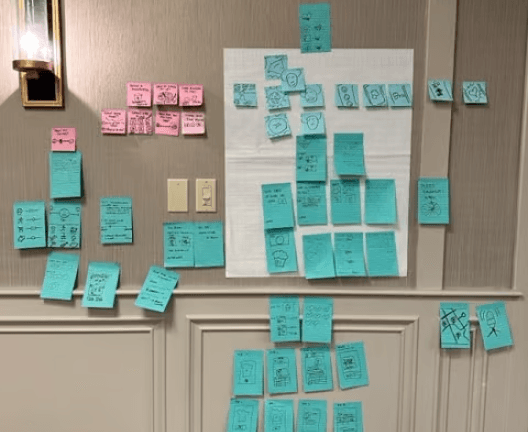
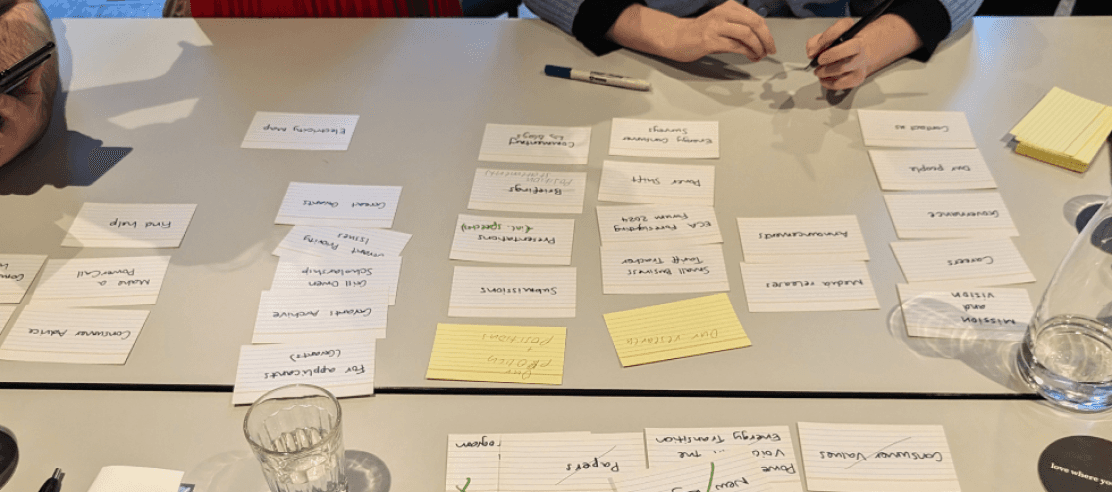
Design Criteria: we set three principles to guide the workshop, aligning our discussion around constraints and ensuring ideas translated into realistic, effective improvements.
ITERATION PROCESS
ITERATION PROCESS
Building alignment through early exploration
Building alignment through early exploration
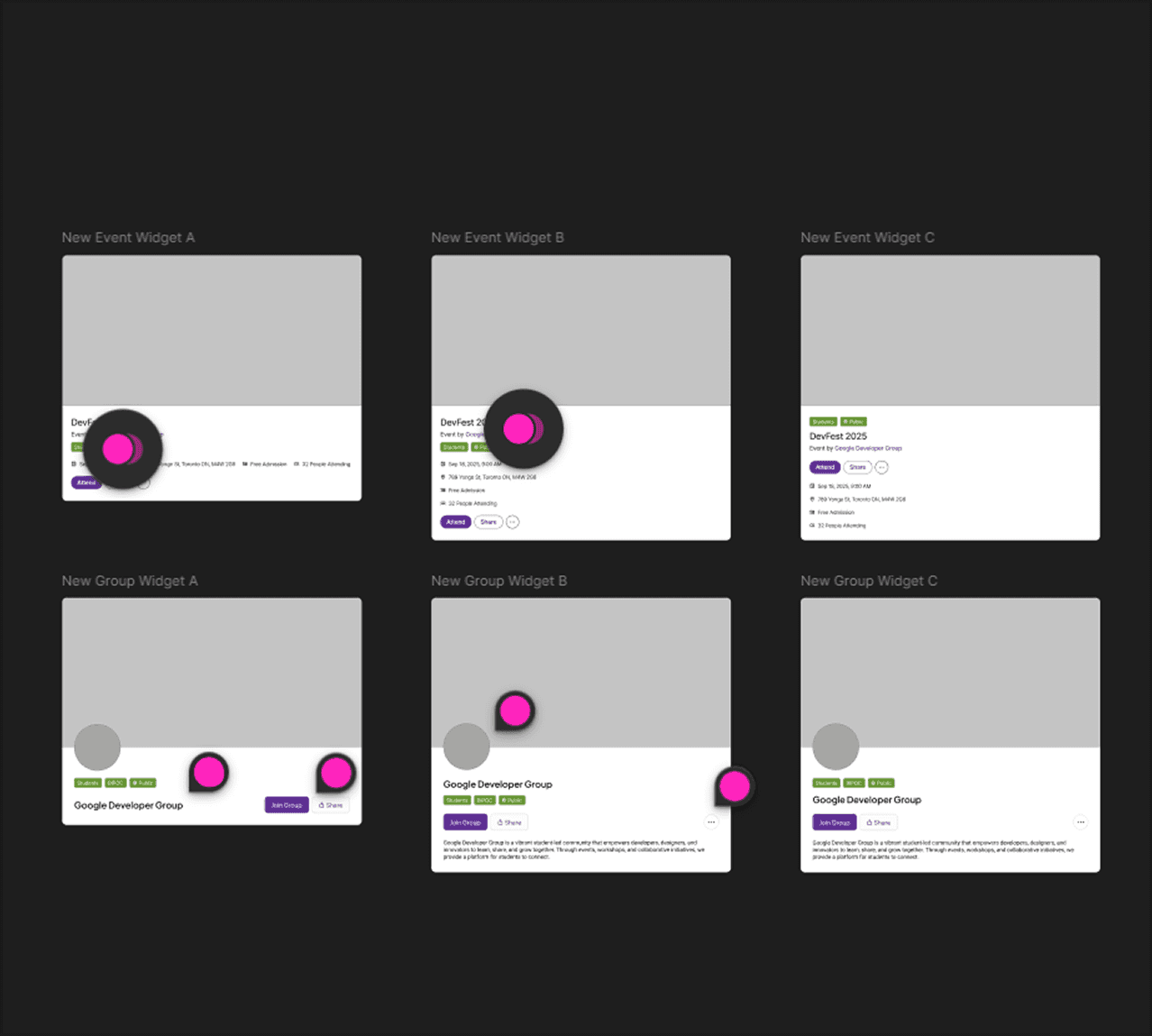
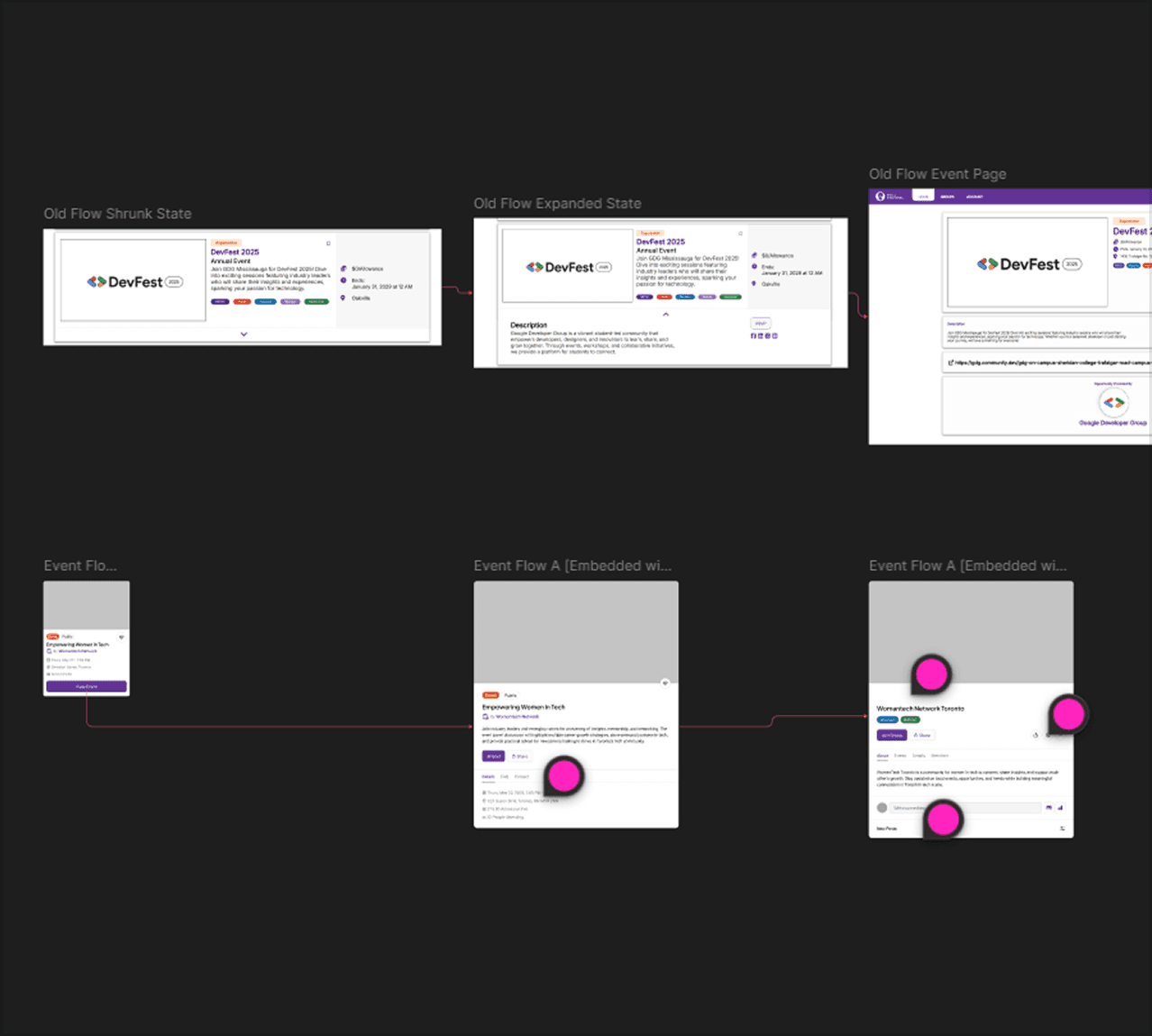
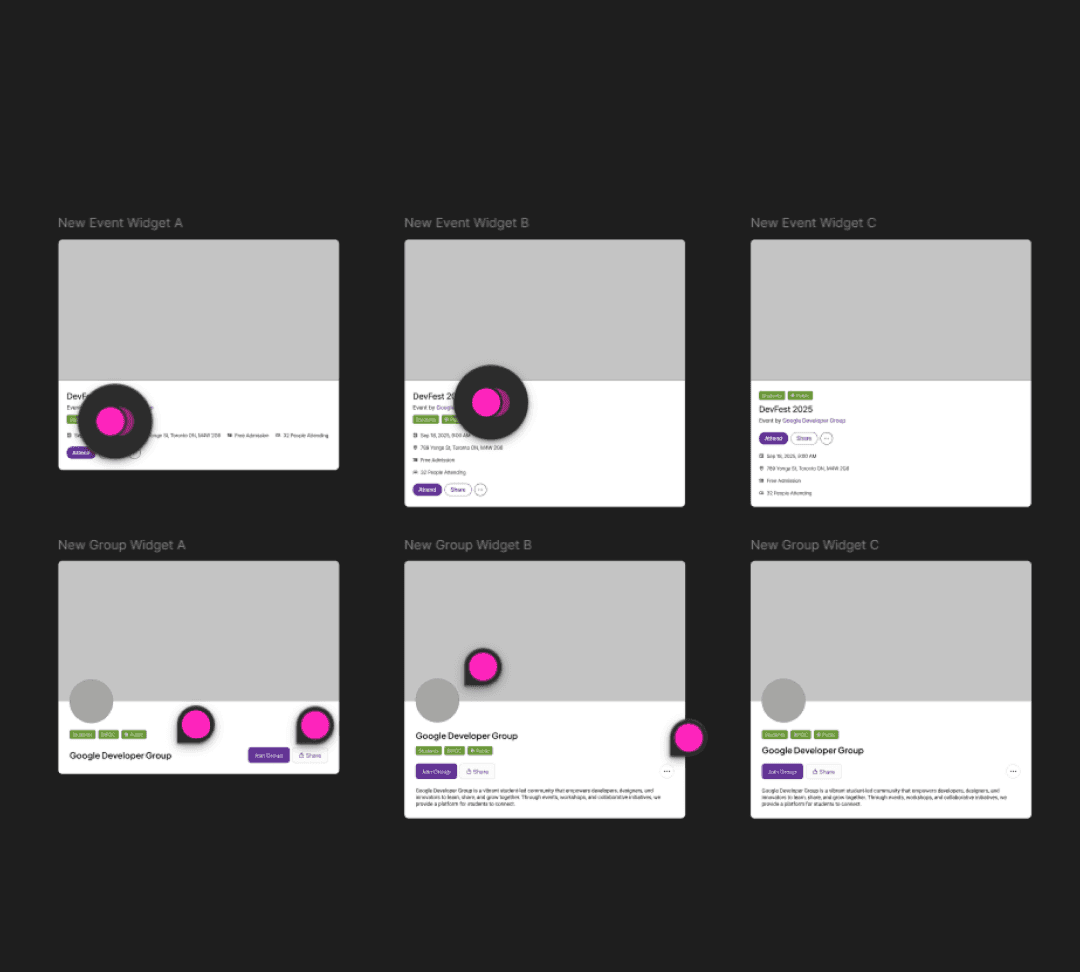
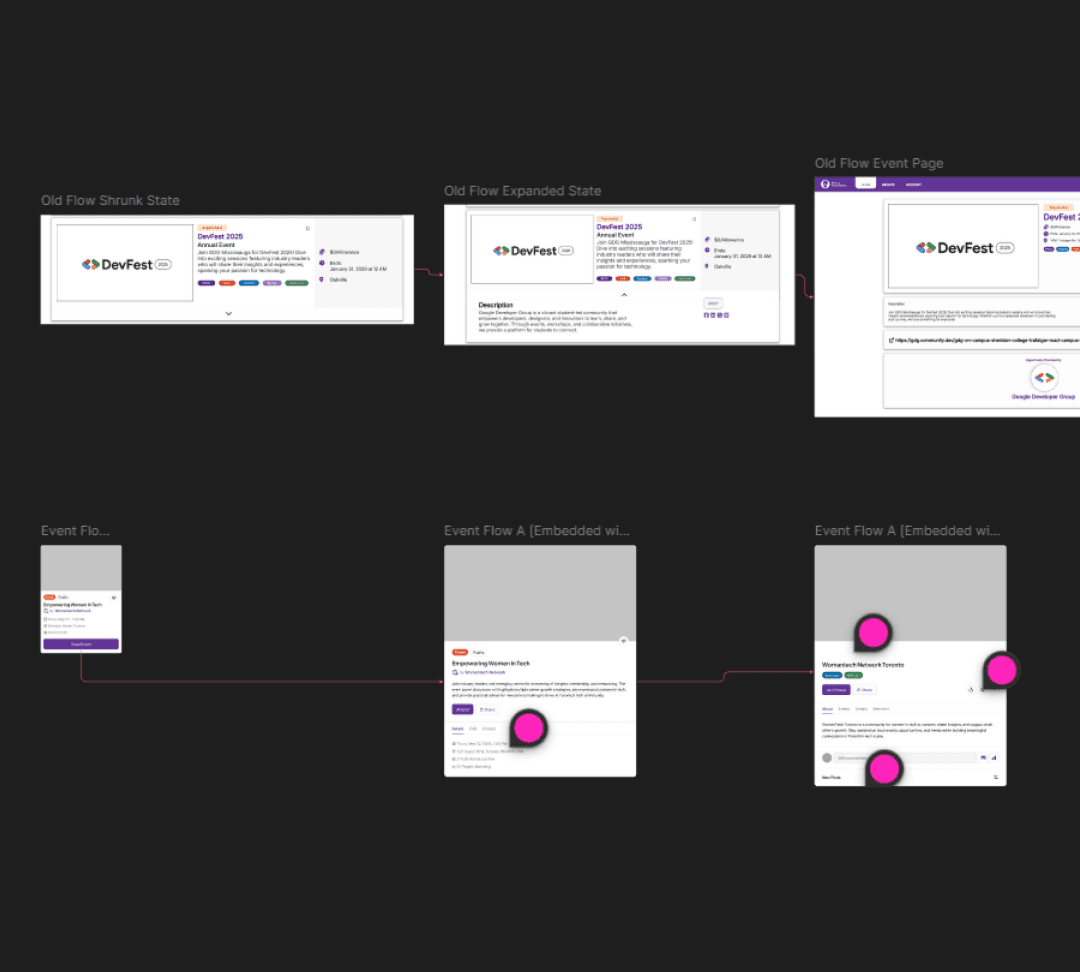
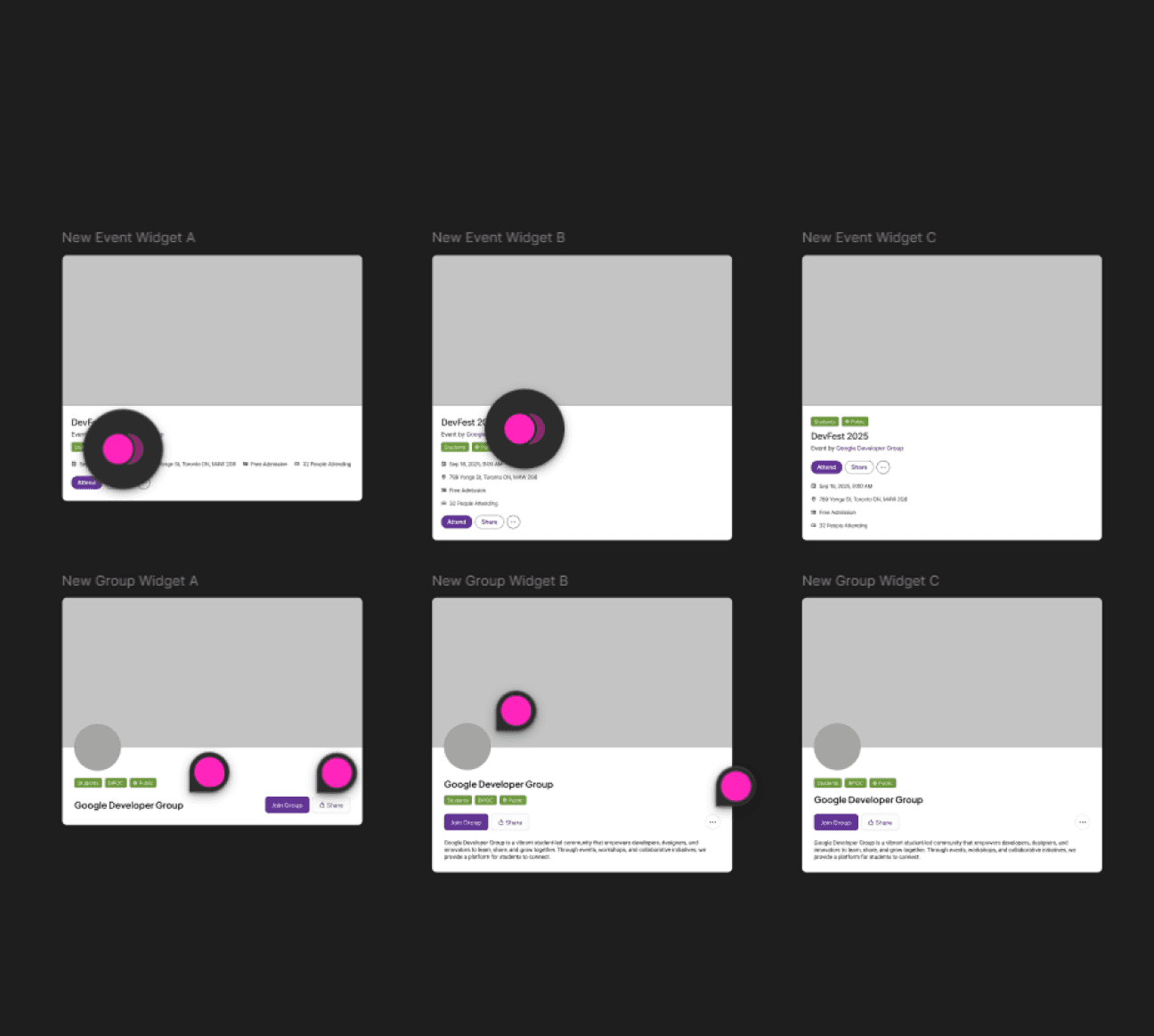
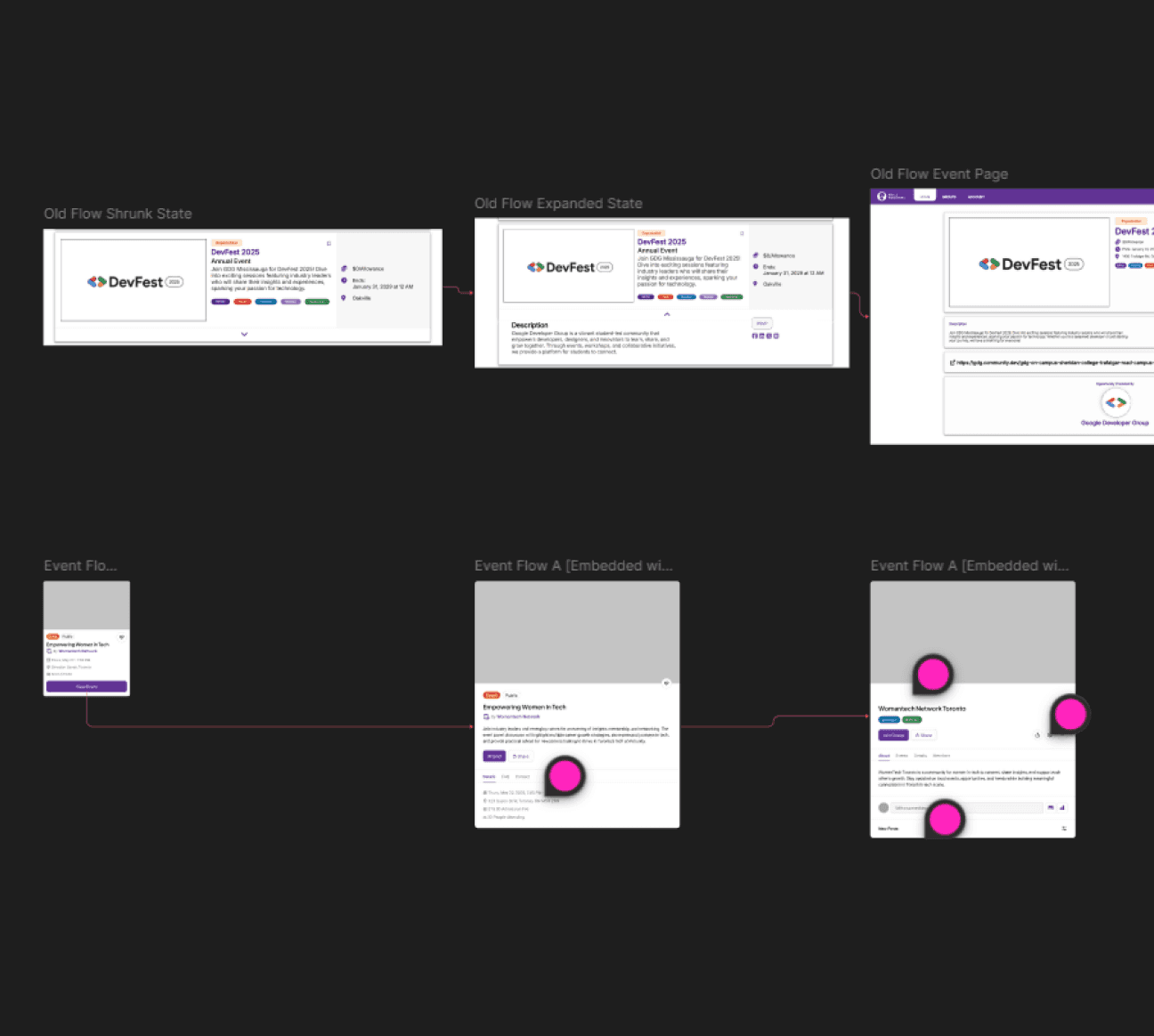
We began iterating with low-fidelity wireframes and early user flows to focus on structure and information hierarchy before visual refinement. Throughout this phase, progress and decisions were documented and shared regularly with engineering, product, and our primary stakeholder. This ensured alignment and reduced the risk of time consuming revisions later in the process.
We started with low-fidelity wireframes to align on structure and information hierarchy. Concepts were reviewed early with engineering and stakeholders, reducing rework later in the process.
LAYOUT EXPLORATIONS
LAYOUT EXPLORATIONS
USER TESTING
USER TESTING
Validating the refined designs
Validating the refined designs
After refining the selected Group and Event card layouts, we tested the updated designs with 18 participants to assess clarity and task completion. Results showed clear improvements in scannability and actionability, while also highlighting remaining friction around secondary actions. These findings informed the next iteration and guided further refinement.
We tested the refined Group and Event card designs to with 18 participants to assess clarity and task completion. The results showed improved scanability, reduced friction, and clearer paths to action.
MODERATED TASK
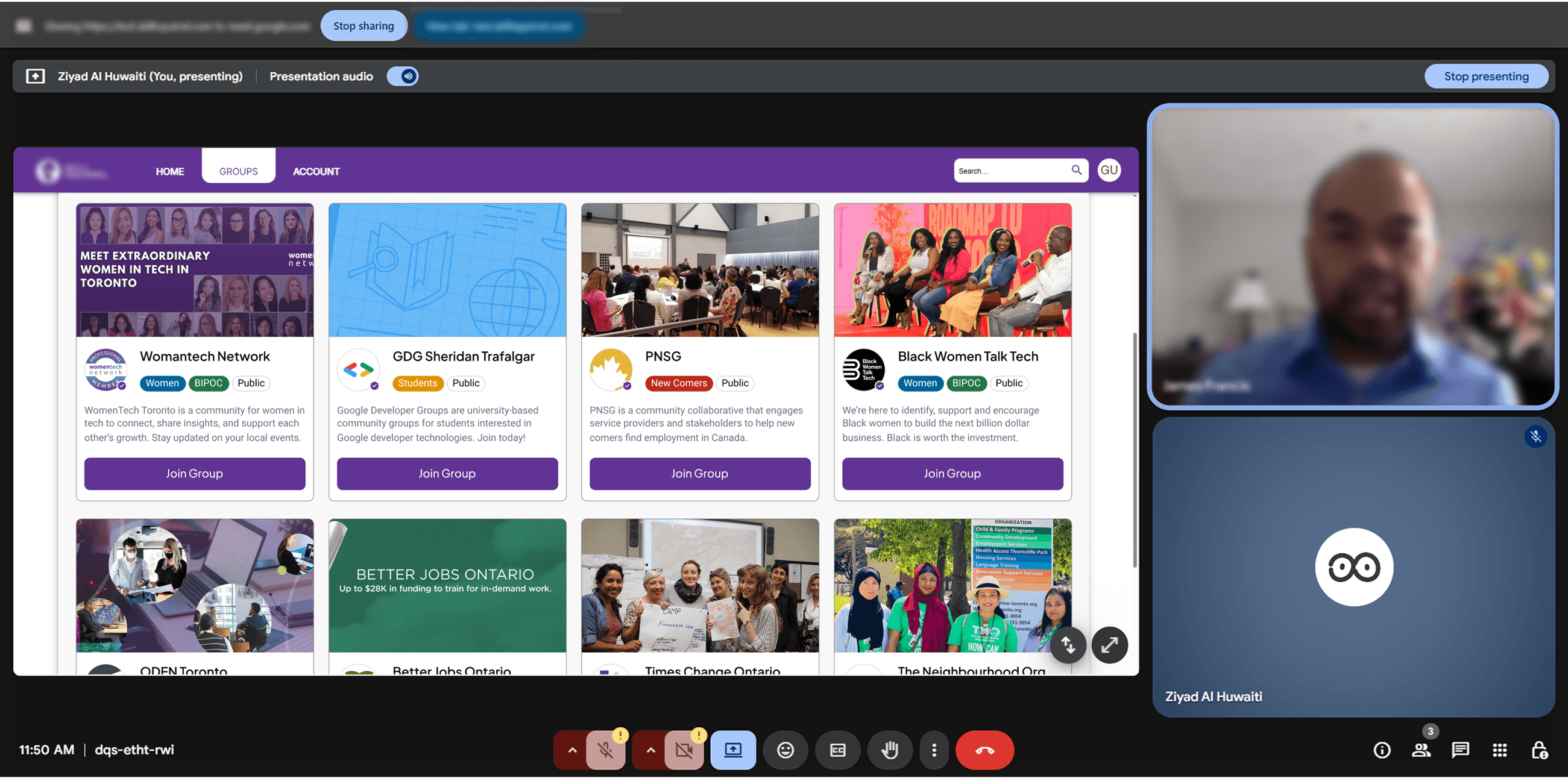
Testing Approach: we ran quick comprehension and timed task tests to evaluate how easily users understood group purpose, found key event details, and completed core actions. This helped validate scannability, information clarity, and ease of follow-through.
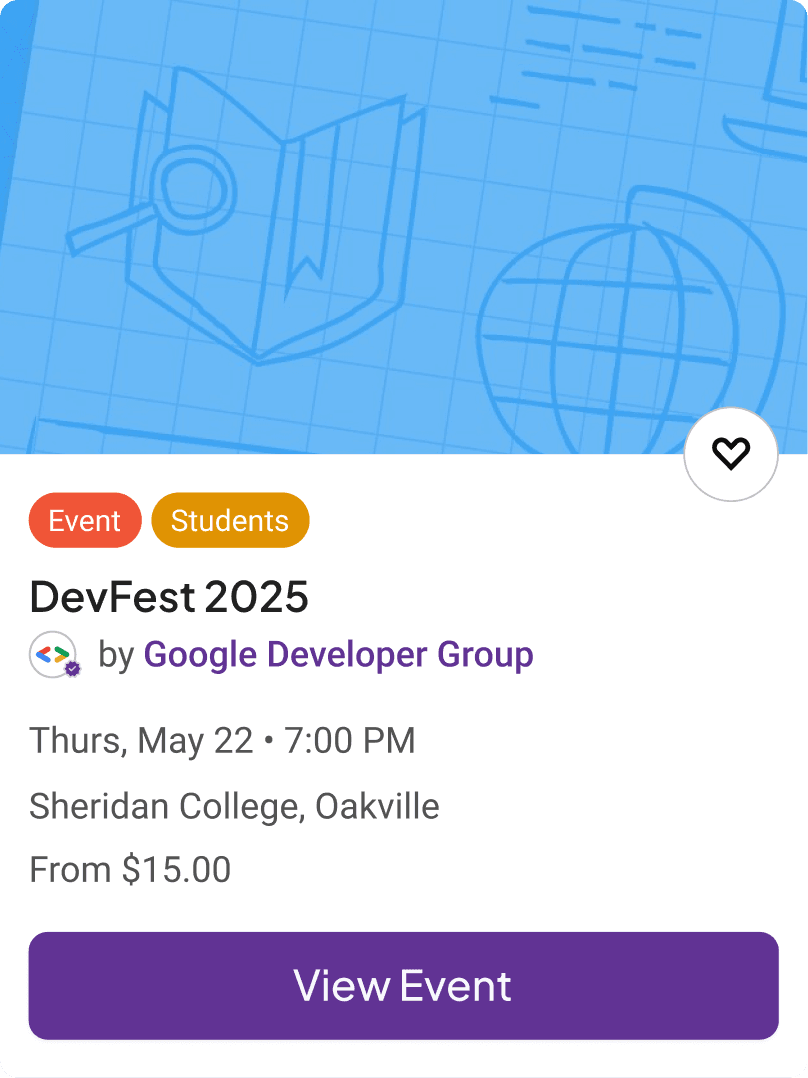
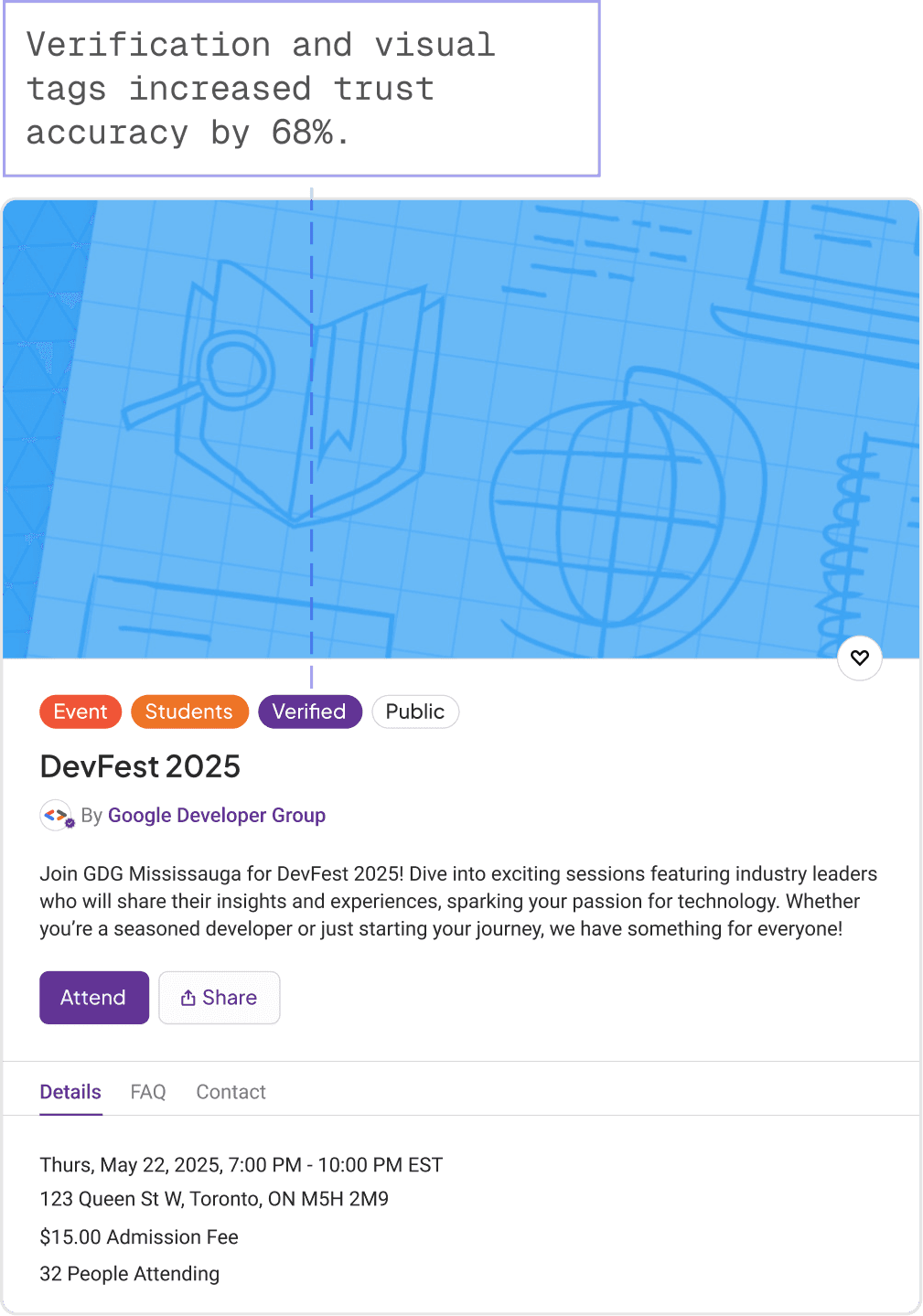
REDESIGNED GROUP-CARD
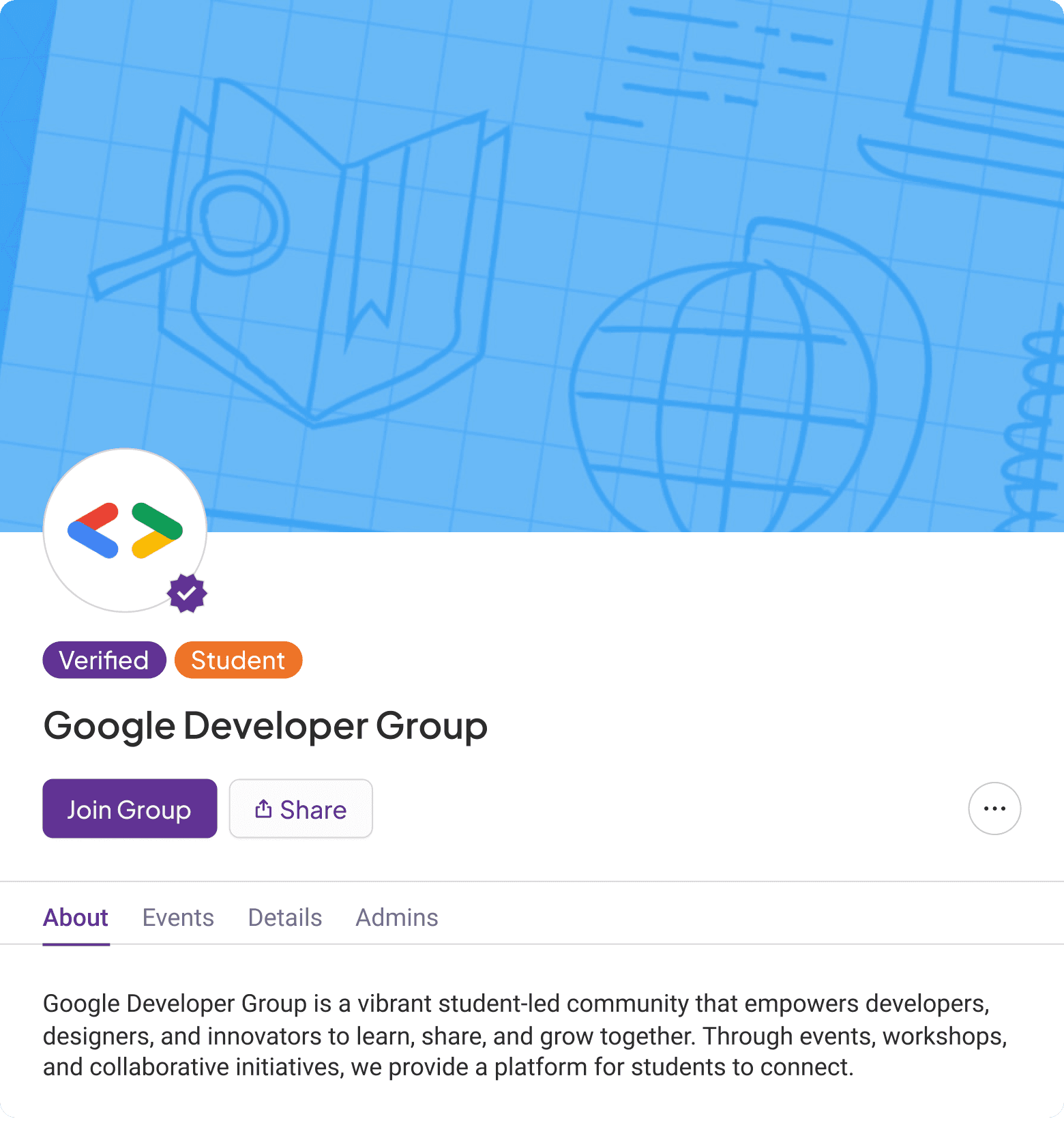
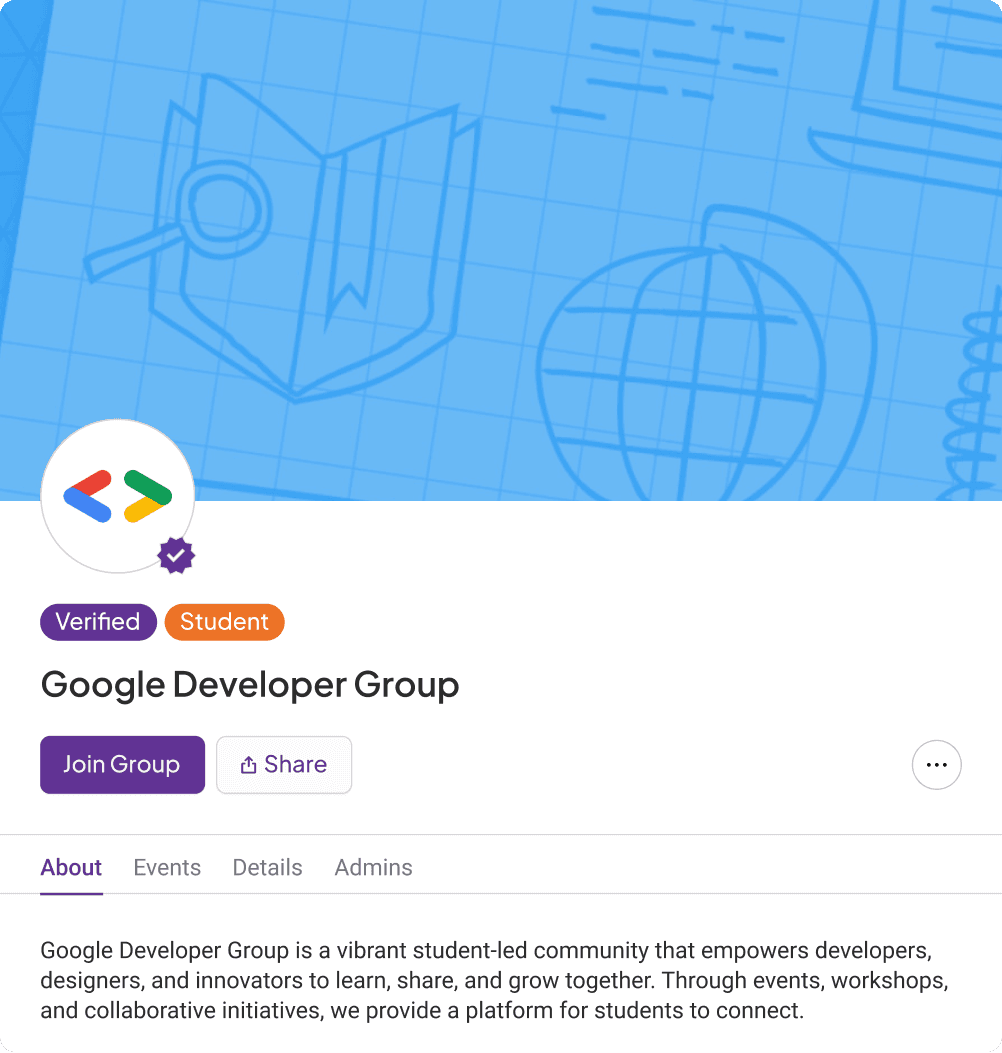
Verification and visual tags increased trust accuracy by 68%.
Shorter descriptions and the tab layout reduced scan time for key information by 25%.
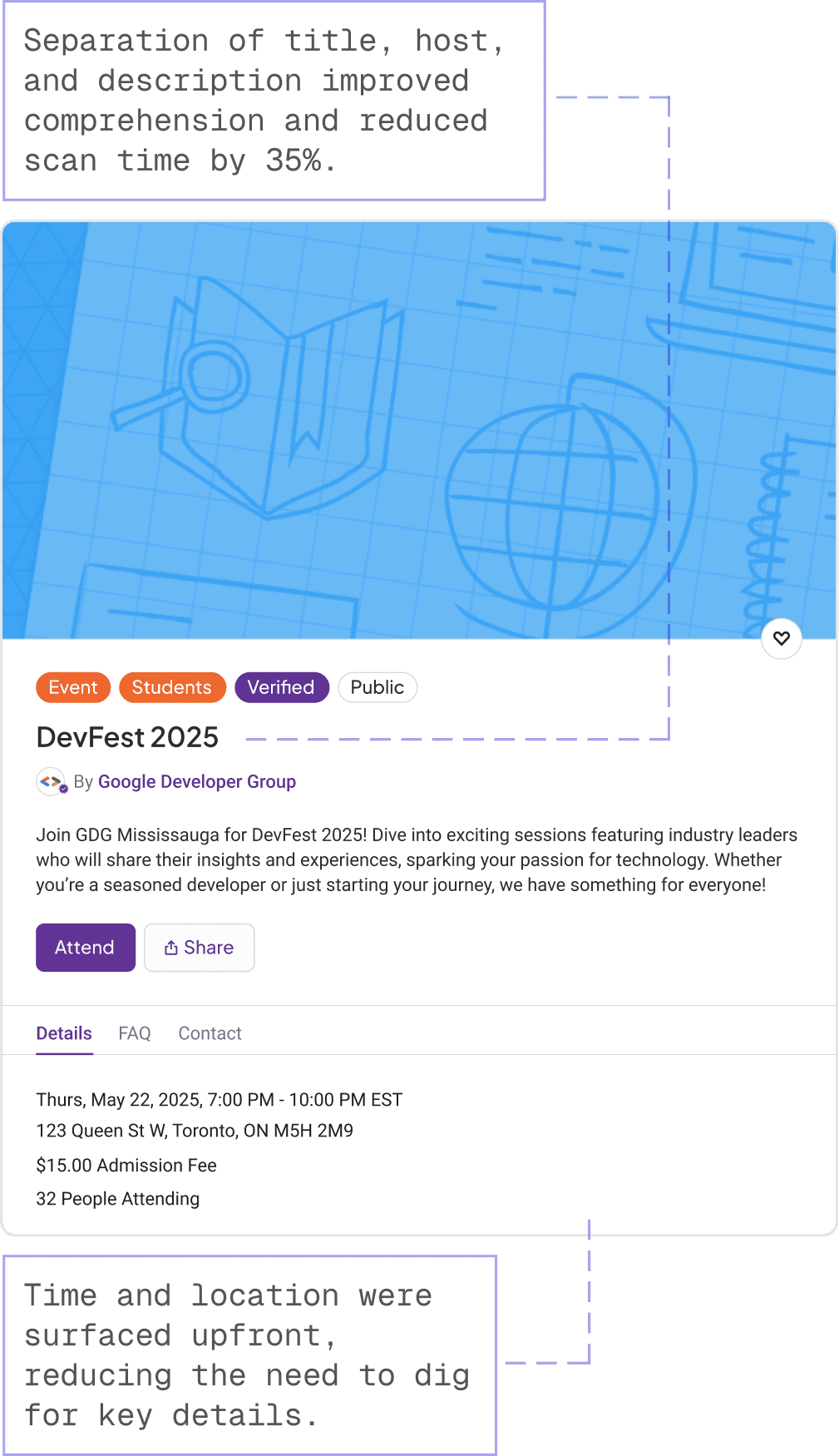
REDESIGNED EVENT-CARD
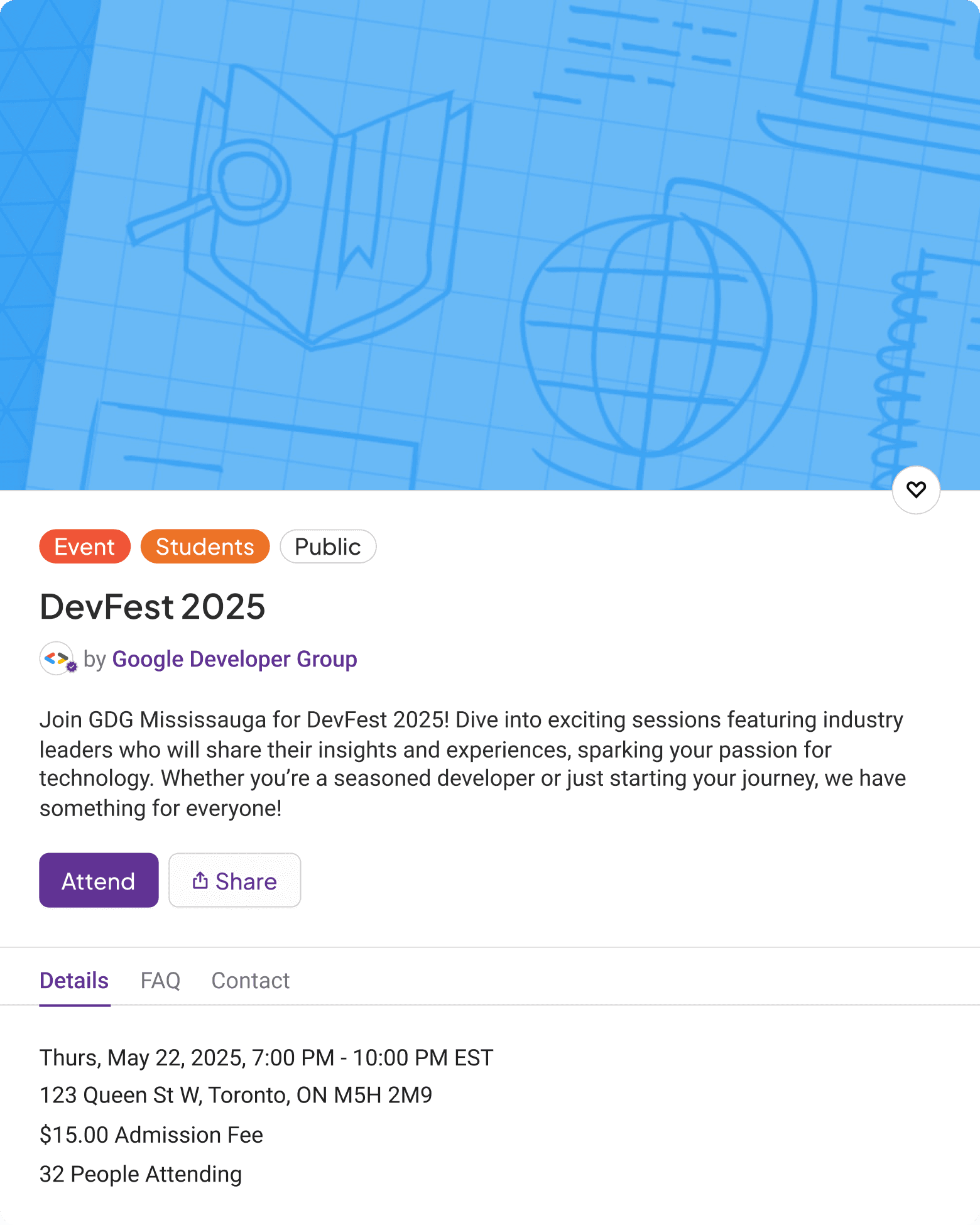
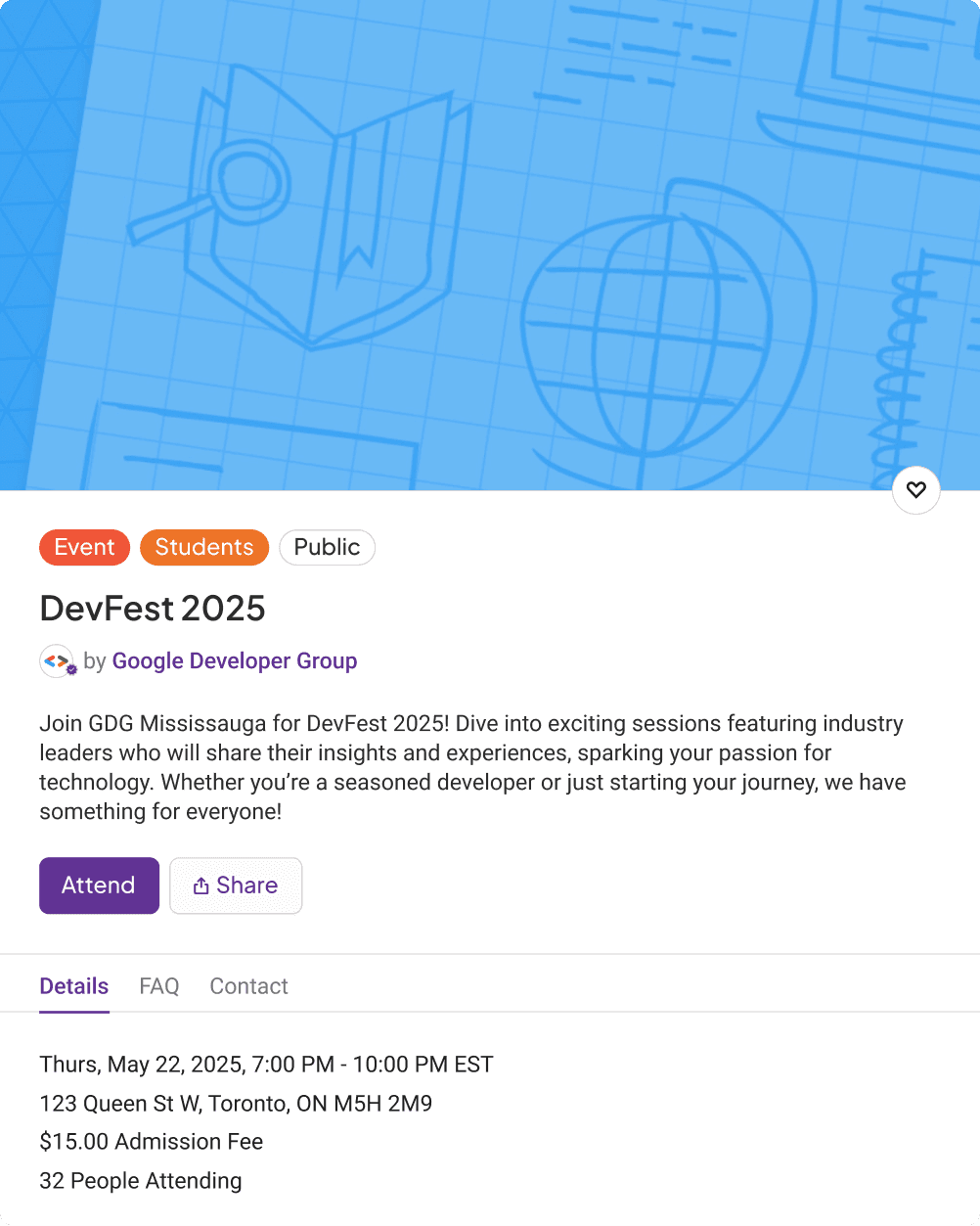
Separation of title, host, and description improved comprehension and reduced scan time by 35%.
Time and location were surfaced upfront, reducing the need to dig for key details.
RESULTS
RESULTS
in Signal Clarity
Card Clarity
Users identified group purpose correctly more often during testing.
Users identified cards more easily.
Faster Evaluation
Faster Scan
Users were able to locate key details more quickly
during testing.
Key event details found quicker.
SUS Point Boost
in SUS Point
Testing showed overall usability scores improved significantly.
Redesign improved usability score.
MODERATED TASK
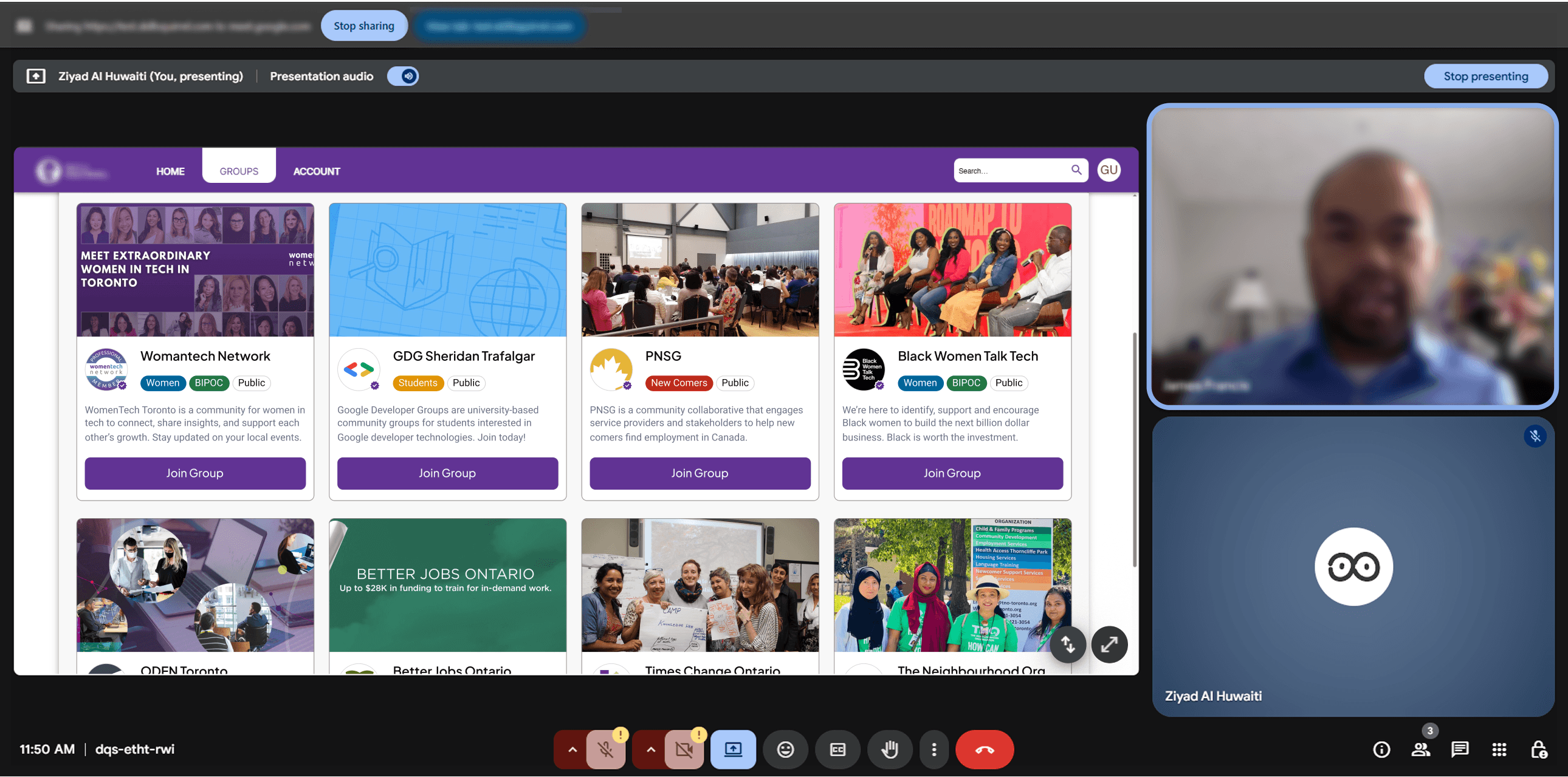
Testing Approach: Several quick comprehension and timed tasks measured how easily users found information and completed actions.
REDESIGNED GROUP-CARD
Shorter descriptions and the tab layout reduced scan time by 25%.
Verification and visual tags increased trust accuracy by 68%.
REDESIGNED EVENT-CARD
Separation of title, host, and description improved comprehension and reduced scan time by 35%.
Time and location were surfaced upfront, reducing the need to dig for key details.
REFLECTION
REFLECTION
Focus drives impact
Focus drives impact
This project reinforced that constraints can sharpen decision-making rather than limit it. Early ideas explored broader features, but time and technical realities required a tighter focus on the core experience. By cutting back scope and prioritizing clarity at key decision points, the redesign ultimately delivered better outcomes by addressing what mattered most.
This project reinforced that working within constraints leads to better decisions. By prioritizing core problems early, the final design delivered stronger outcomes where it mattered most.
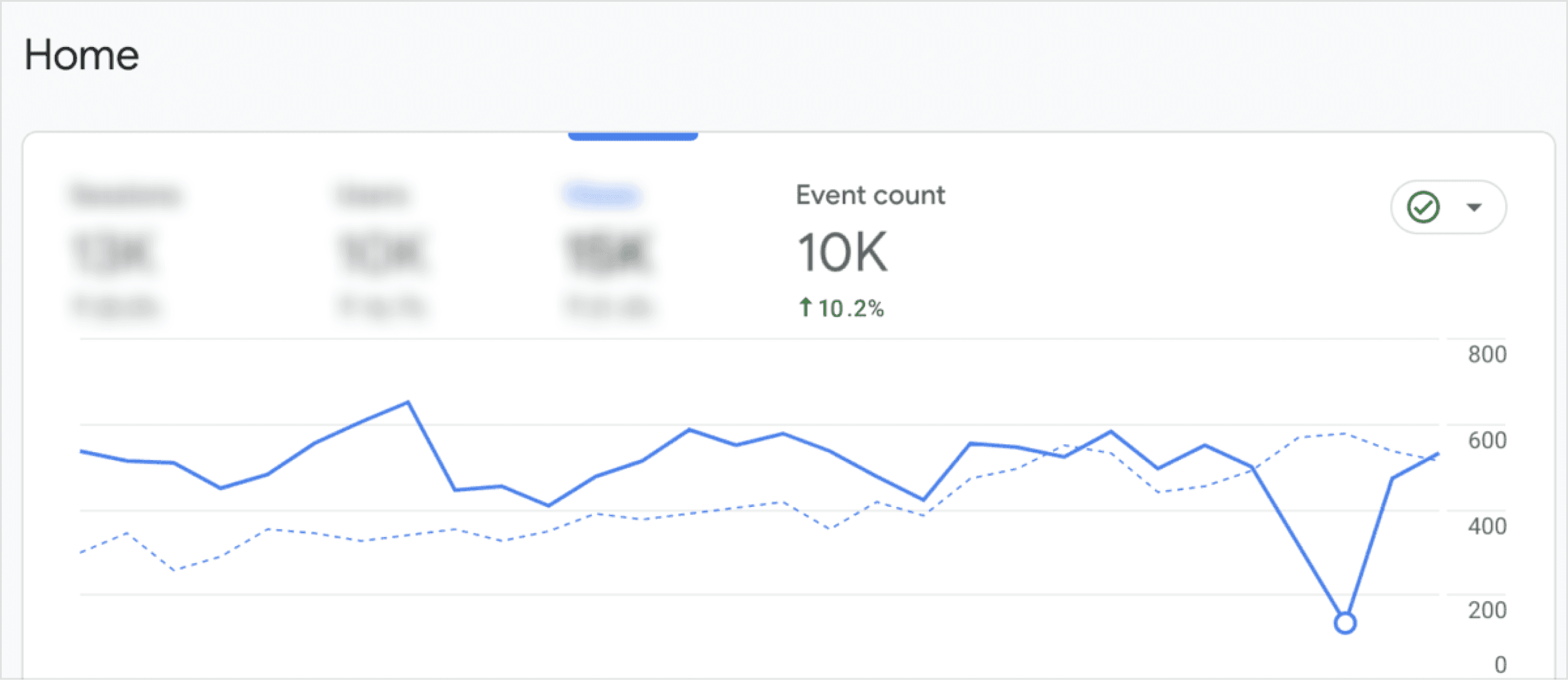
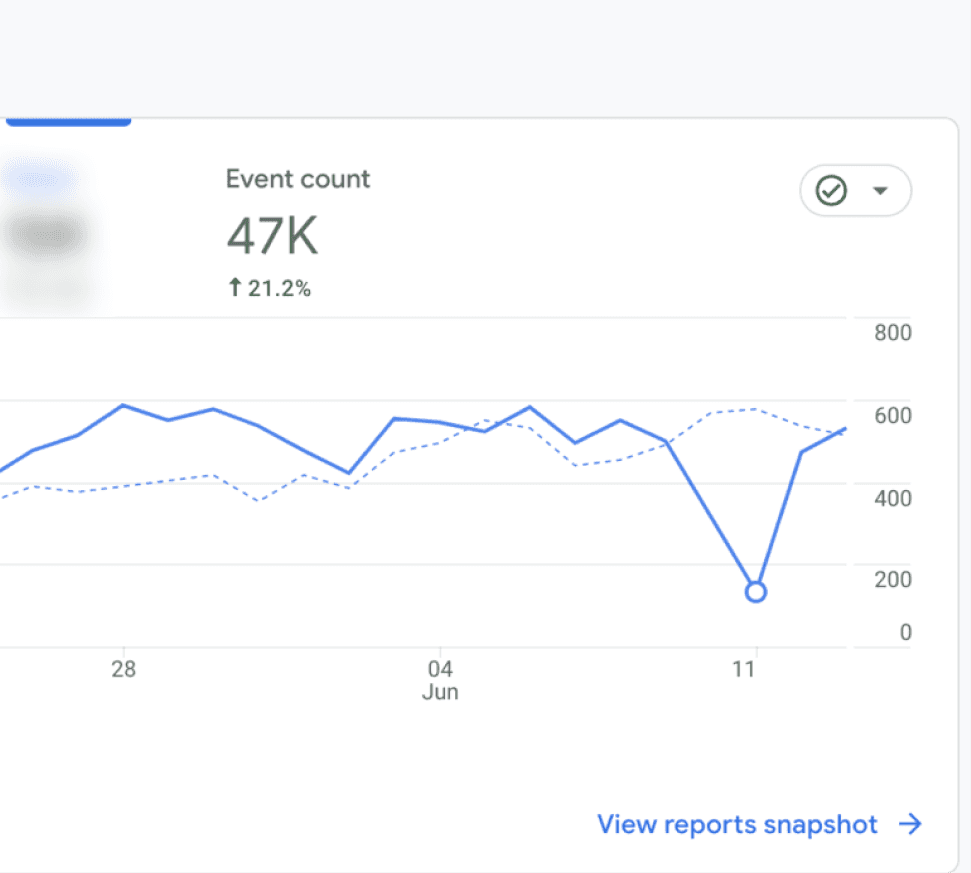
ANALYTICS
ANALYTICS
SHIPPED
2025
cards in revenue flow
Improved
WEB APP
MODALS
B2C
Role
Product Designer
Team
3 Designers, 3 Developers
Timeline
May – August 2025
Skills
UX Design, Research
CONTEXT
Usability gaps hindered monetization
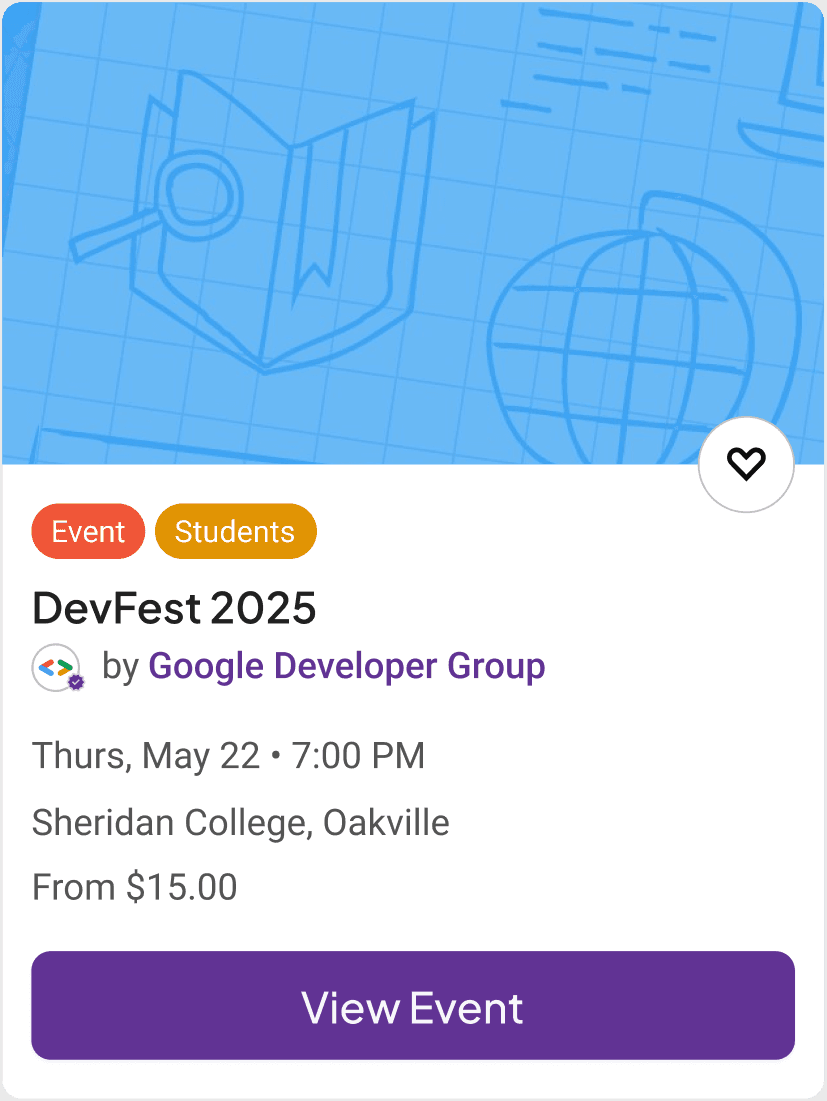
Usability issues in Group and Event cards stopped users from taking action, directly impacting monetization tied to hosting and group creation.
IMPACT
Improved scannability and usability
Clearer flows and more visible actions led to improved task success and more users joining groups and events.
UPDATED EVENT-CARD
UPDATED GROUP-CARD
OUTCOME
in Drop-Off Rate
within the 30 days following launch.
in Success Rate
across platform’s two core flows.
in Conversion Rate
on monetization-linked flows.
PROBLEM DEFINITION
Understanding engagement barriers
Group and Event cards were meant to support discovery, but poor usability prevented users from taking action. Key information was hard to find, leading to low engagement.
Hypothesis: If the key details and actions were surfaced, more users would join groups or RSVP to events.
RESEARCH QUESTIONS
What prevents users from finding key information?
Navigation & Clarity
How do current user flows impact user engagement?
Process & Usability
What changes would drive up the use of groups and events?
Adoption & Task success
USER GROUPS
Identifying target users segment
Since engagement was underperforming, we focused on users interested in discovering opportunities who weren’t completing key actions. We offered participants a free membership upgrade.
Opportunity Seekers
Users searching for opportunities across events and groups. They drive most card interactions.
Event Hosts
Users hosting events. They rely on clear visibility, attendance metrics, and frictionless RSVPs to drive turnout.
Group Managers
Users running ongoing communities. They focus on credibility, member growth, and making it easy for people to join.
UNDERSTANDING USERS
Understanding friction through interviews
We surveyed 22 users from the target segment to understand why engagement was low. Interviews surfaced recurring usability issues and gaps in clarity.
USER SURVEY
INSIGHTS
Poor scannability
Important details didn’t stand out at a glance.
Hidden Actions
Actions like joining group buried behind extra steps.
Missing Context
Group and Event context often missed by users.
JOURNEY BREAKDOWN
Identifying friction in the user journey
Interview insights were mapped across the journey to pinpoint where users dropped off or slowed down, helping prioritize the highest-impact problems.
HEURISTIC EVALUATION
Focusing on the most impactful issues
We evaluated Group and Event cards to identify usability issues limiting engagement. This helped prioritize changes with the greatest impact across both experiences.
LEGACY EVENT-CARD
LEGACY GROUP-CARD
HMW: How might we help our users take action faster without increasing their cognitive load?
WORKSHOPPING SESSION
Collaboratively exploring solution directions
I led a cross-functional workshop with Design, PM, and Engineering to map join and RSVP flows, identify constraints, and align on feasible directions.
WORKSHOPPING SESSION
We clustered sketches, used an impact-vs-effort matrix, and prioritized ideas that surfaced key details and actions while maintaining consistency across cards.
Design Criteria: three principles guided the workshop, helping align ideas around the constraints and translating them into realistic, effective improvements.
GUIDING PRINCIPLES
Surface value
Surface key details in events and groups. Users scan fast and want what matters to stand out.
Reduce Friction
Use one structure and visual language across content. Users expect clarity at a glance.
Enable Action
Make CTAs like join and expand easy to spot. Users act quickly when actions feel effortless.
ITERATION PROCESS
Building alignment through early exploration
We started with low-fidelity wireframes to align on structure and information hierarchy. Concepts were reviewed early with engineering and stakeholders, reducing rework later in the process.
LAYOUT EXPLORATIONS
USER TESTING
Validating the refined designs
We tested the refined Group and Event card designs to with 18 participants to assess clarity and task completion. The results showed improved scanability, reduced friction, and clearer paths to action.
MODERATED TASK
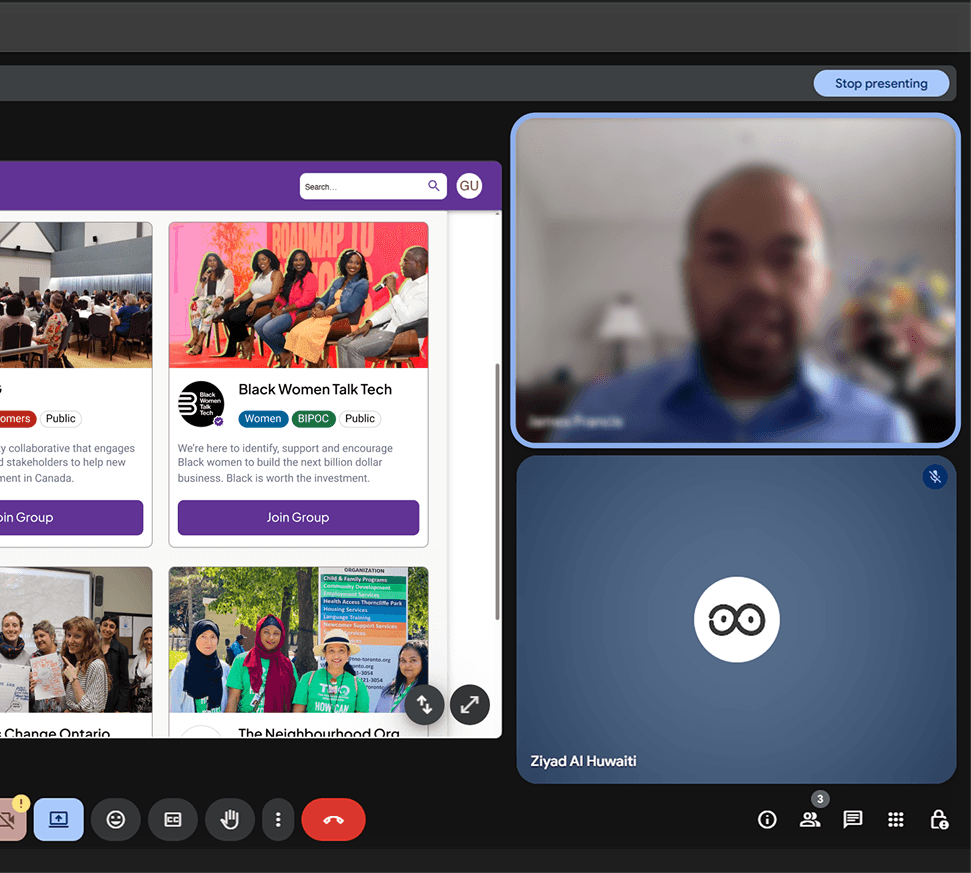
Testing Approach: Several quick comprehension and timed tasks measured how easily users found information and completed actions.
OUTCOME
Increased Discovery Accuracy
within the 30 days following launch.
Faster Content Evaluation
across the platform’s two core flows.
SUS Point Increase
on the two monetization-linked flows.
REDESIGNED EVENT-CARD
REDESIGNED GROUP-CARD
REFLECTION
Focus drives impact
This project reinforced that working within constraints leads to better decisions. By prioritizing core problems early, the final design delivered stronger outcomes where it mattered most.
ANALYTICS
© 2026 | ZIYAD AL-HUWAITI